
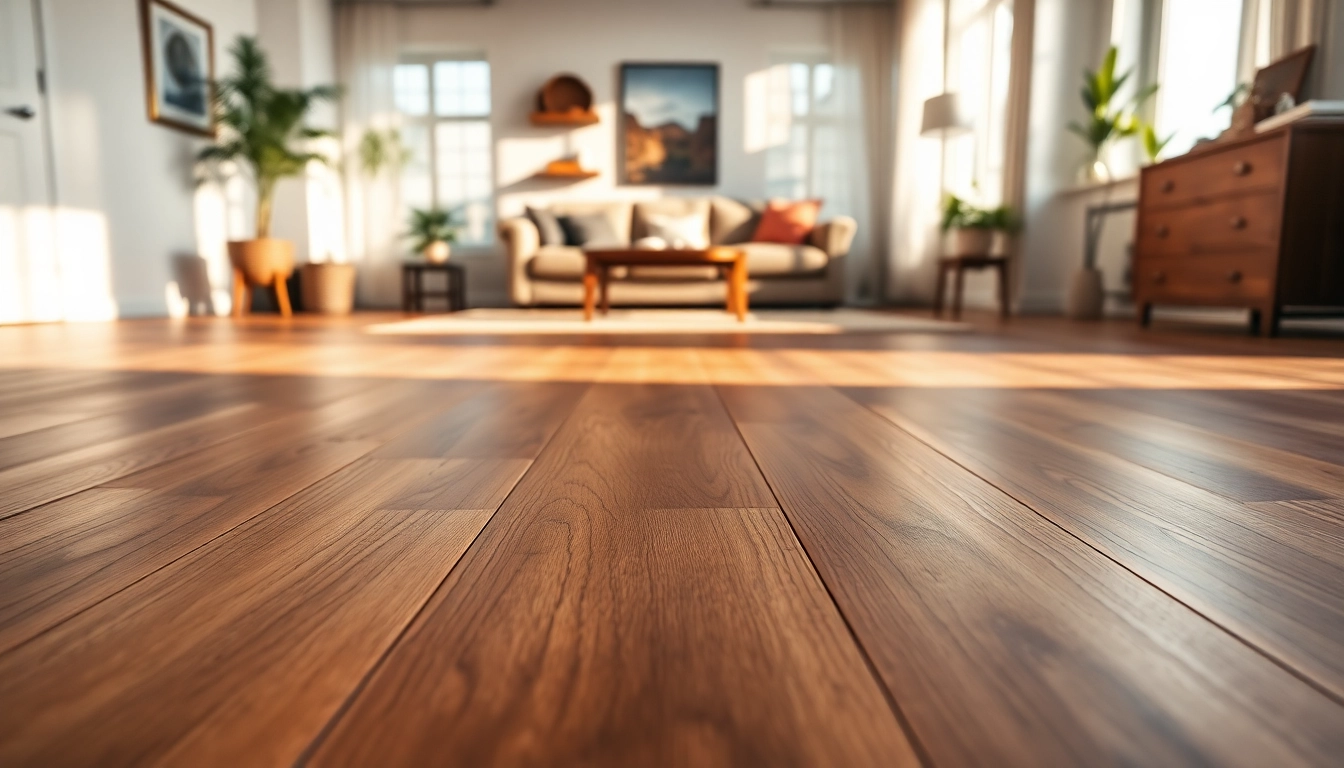
Introduction to Vinyl Plank Flooring
Flooring options have evolved significantly over the years, leading to a myriad of materials tailored to meet diverse aesthetic and functional needs. Among these, vinyl plank flooring has emerged as a favorite for homeowners and designers alike. This article dives deep into what vinyl plank flooring is, its advantages, key features to consider, and much more.
What is Vinyl Plank Flooring?
Vinyl plank flooring is a synthetic product designed to mimic the look of hardwood or stone while offering a durability that surpasses those natural materials. Made from polyvinyl chloride (PVC) and other compounds, these planks are typically available in various styles, patterns, and colors, making them suitable for any decor. They come in planks that are easy to install, maintain, and replace.
Benefits of Vinyl Plank Flooring
The appeal of vinyl plank flooring stems from several benefits:
- Durability: Resistant to wear and tear, scratches, and stains, making them ideal for busy households.
- Water Resistance: Perfect for areas prone to moisture, such as kitchens and bathrooms.
- Easy Installation: Many vinyl planks are designed for DIY installation, involving click-lock systems that do not require glue or nails.
- Low Maintenance: Simple cleaning routines help maintain their appearance over time.
- Affordability: Often more budget-friendly than hardwood or tile options.
Key Features to Consider
When selecting vinyl plank flooring, consider the following features:
- Thickness: Plank thickness can determine durability and comfort underfoot.
- Wear Layer: A thicker wear layer enhances durability, making it more resistant to scratches.
- Style and Aesthetics: Choose from various colors, patterns, and finishes to complement your interior design.
- Installation Method: Options may include glue-down, floating, or click-lock installations.
- Eco-Friendly Options: Some products are manufactured with sustainability in mind.
The Installation Process
Preparing Your Space
Proper preparation is crucial for a successful installation of vinyl plank flooring. Here are steps to ensure your space is ready:
- Clear the Area: Remove all furniture and obstacles from the space where the flooring will be installed.
- Inspect the Subfloor: Ensure the subfloor is clean, dry, and level. Any imperfections can affect the final look and durability.
- Acclimate the Planks: Allow your planks to acclimate in the room for at least 48 hours before installation. This helps to minimize expansion and contraction after installation.
Steps for Installing Vinyl Plank Flooring
Installing vinyl plank flooring can be broken down into several easy steps:
- Measure and Cut: Measure the dimensions of your space and cut the planks where necessary, ensuring that cuts are tidy and precision oriented.
- Install the First Row: Start in a corner and lay the first row in the chosen direction, ensuring it is spaced properly from the wall for expansion.
- Continue Installation: Fit each subsequent row ensuring that the end seams are staggered to enhance stability and aesthetics.
- Finishing Touches: Add baseboards or trims as needed to cover expansion gaps and create a finished look.
Tips for a Smooth Installation
Here are some best practices to make your installation as smooth as possible:
- Use a fine-tooth saw to ensure clean cuts.
- Check for level frequently to avoid an uneven surface.
- Utilize spacers to maintain a consistent gap around edges.
- Allow planks to acclimate in various room conditions (temperature and humidity) for optimal performance.
- Consider using a foam underlayment for added cushioning and sound-dampening properties.
Maintenance and Care
Routine Cleaning Tips
To prolong the life of your vinyl plank flooring, consider these routine cleaning tips:
- Daily Sweeping: Regularly sweep or vacuum to remove debris and dirt that can cause scratches.
- Spot Cleaning: For spills, promptly clean with a damp cloth or mop to prevent stains.
- Use pH-neutral Cleaners: Avoid using harsh chemicals that can damage the surface; instead, opt for products designed for vinyl.
Long-term Care Strategies
For ongoing maintenance, consider the following strategies:
- Deep Cleaning: Schedule bi-annual deep cleaning using a recommended cleaner and mop to maintain shine.
- Protective Mats: Use mats at entryways to reduce dirt and moisture getting tracked onto the flooring.
- Regular Inspections: Periodically check for wear and damage to address any issues early, ensuring longevity.
Common Mistakes to Avoid
Avoiding common pitfalls during cleaning and maintenance can save you time and money:
- Neglecting to immediately clean spills can lead to permanent stains.
- Using abrasive tools for cleaning can scratch the surface.
- Skipping the acclimation process before installation can result in movement and buckling of planks.
Design Ideas with Vinyl Plank Flooring
Popular Color Trends
When choosing colors for vinyl plank flooring, consider current trends that round out a modern, timeless look. It includes rich browns, sleek greys, and warm neutrals that mimic natural woods. Lighter colors can make a room feel spacious, while dark tones create warmth and coziness.
Integrating Different Styles
Vinyl plank flooring’s versatility allows it to fit seamlessly with varied design styles, from rustic farmhouse to contemporary urban. Consider mixing plank styles in different rooms for an eclectic vibe or maintaining a consistent look throughout for a cohesive design.
Creating Ambient Spaces
To create a cozy, inviting atmosphere, layer textural elements, such as plush area rugs and comfortable furniture, above your vinyl plank flooring. Incorporate lighting strategies to highlight the flooring, creating warm glows to complement the hues of the wood tones.
FAQs about Vinyl Plank Flooring
Is vinyl plank flooring waterproof?
Most vinyl plank flooring products are highly water-resistant, ideal for moisture-prone areas. However, check specifications to ensure suitability for full waterproofing needs.
How long does vinyl plank flooring last?
With proper maintenance, high-quality vinyl plank flooring can last anywhere from 10 to 30 years, depending on usage and environmental conditions.
Can I install vinyl plank flooring myself?
Yes, vinyl plank flooring is designed for easy installation. Many products feature click-lock systems that empower DIY enthusiasts to achieve professional-looking results.
Is vinyl plank flooring eco-friendly?
Many manufacturers are producing vinyl flooring options that meet environmental standards for safety and sustainability, but always verify certifications before purchasing.
What is the best way to clean vinyl plank flooring?
Use a microfiber mop and a pH-neutral cleaner designed for vinyl flooring. Regular sweeping or vacuuming is essential to prevent scratches from debris.

