

Stress and anxiety are common experiences that affect people of all ages. While occasional stress is a normal part of life, persistent Stress and anxiety can disrupt daily routines, relationships, and overall health. Understanding how to manage these feelings is essential for achieving calmer daily living. At Calm Minds Hub, we provide evidence-based strategies and practical tips to help you regain control of your emotions, develop healthier habits, and improve your mental wellness.
Understanding Stress and Anxiety
What Is Stress?
Stress is the body’s natural response to challenges or threats. It triggers a "fight or flight" reaction, releasing hormones like adrenaline and cortisol. While this response can be helpful in short-term situations, chronic stress can harm the body, causing headaches, fatigue, sleep problems, and difficulty concentrating.
What Is Anxiety?
Anxiety is a feeling of fear, worry, or unease, often about future events. While it is normal to feel anxious occasionally, persistent anxiety can interfere with daily life. Anxiety can manifest as racing thoughts, restlessness, rapid heartbeat, or avoidance of certain situations.
The Connection Between Stress and Anxiety
Stress and anxiety are closely linked. Chronic stress can increase anxiety levels, while anxiety can make it harder to manage stress. Recognizing this connection is crucial for effective solutions.
Signs and Symptoms of Stress and Anxiety
Recognizing stress and anxiety early helps in managing them effectively. Common signs include:
- Persistent worry or racing thoughts
- Difficulty concentrating or making decisions
- Muscle tension, headaches, or body aches
- Sleep disturbances or insomnia
- Irritability or mood swings
- Avoidance of social situations
Understanding your symptoms allows you to take action before stress and anxiety escalate into more serious mental health issues.
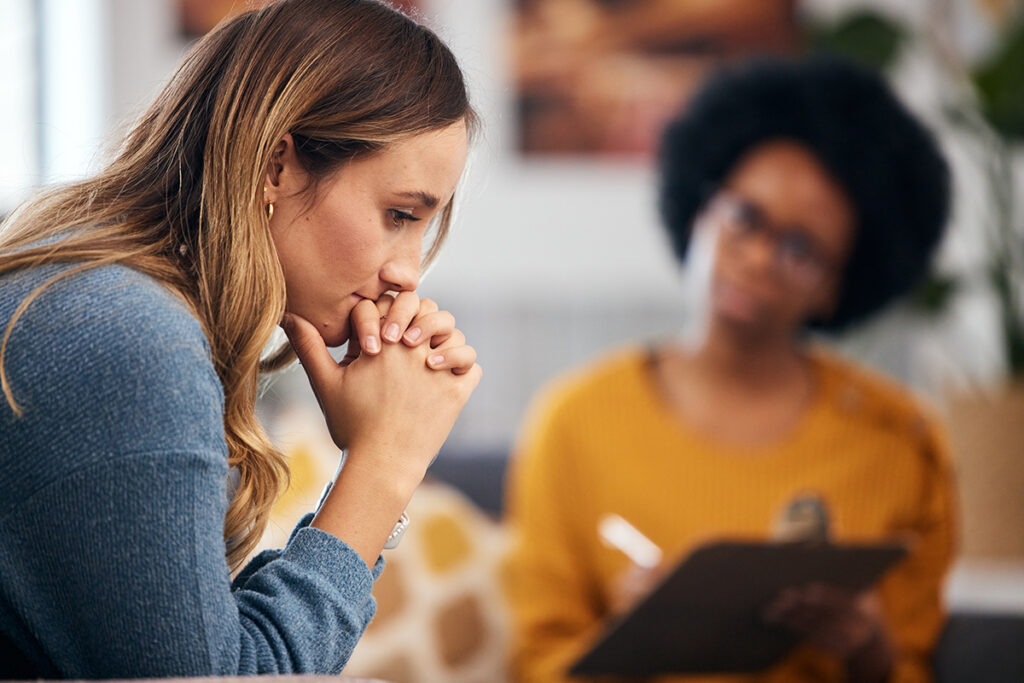
Stress and Anxiety Solutions for Daily Living
1. Mindfulness and Meditation
Mindfulness involves focusing on the present moment without judgment. It can reduce stress by helping you become aware of your thoughts and emotions. Meditation practices, such as deep breathing, guided imagery, and body scans, have been shown to lower anxiety levels and improve overall mental well-being.
Tips for Mindfulness Practice:
- Dedicate 10–15 minutes daily for meditation
- Focus on your breath and gently return to it if your mind wanders
- Practice gratitude by noting three things you appreciate each day
2. Physical Activity and Exercise
Exercise is a natural stress reliever. Physical activity releases endorphins, chemicals in the brain that boost mood and reduce anxiety. Activities like walking, jogging, yoga, and swimming can help regulate stress levels.
Real-life example: A student who felt overwhelmed with schoolwork began practicing yoga for 20 minutes daily. Within weeks, they noticed a reduction in anxiety and improved focus.
3. Healthy Sleep Habits
Sleep is essential for emotional and physical health. Lack of sleep can increase stress hormones and make anxiety worse. Establishing a consistent sleep routine can improve mental clarity and resilience.
Sleep Tips:
- Go to bed and wake up at the same time every day
- Avoid screens and caffeine at least an hour before bedtime
- Create a calm environment with dim lighting and comfortable bedding
4. Balanced Nutrition
What you eat affects your mood and stress levels. Diets rich in fruits, vegetables, whole grains, and lean proteins support brain health and reduce anxiety. Avoid excessive sugar, caffeine, and processed foods, which can increase stress.
Case study: A young professional who frequently felt anxious incorporated more leafy greens, nuts, and fish into their diet. They reported feeling calmer and more energized after a month.
5. Time Management and Planning
Poor time management often contributes to stress. Learning to prioritize tasks, set realistic goals, and schedule breaks can reduce feelings of overwhelm.
Time Management Tips:
- Use a planner or digital calendar
- Break large tasks into smaller, manageable steps
- Allocate specific times for work, rest, and leisure
6. Social Support and Communication
Talking about stress and anxiety with friends, family, or a counselor can provide relief. Social support reduces feelings of isolation and helps you gain perspective on challenges.
Example: A high school student dealing with test anxiety started attending a peer support group. Sharing experiences and coping strategies with others helped them feel more confident and less anxious.
7. Relaxation Techniques
Techniques such as deep breathing, progressive muscle relaxation, and visualization can lower stress in the moment. These methods help calm the nervous system and improve emotional regulation.
Simple Exercise:
- Sit comfortably and close your eyes
- Inhale deeply for four counts, hold for four counts, exhale for six counts
- Repeat for five minutes to feel a noticeable sense of calm
8. Limiting Stress Triggers
Identifying and reducing exposure to stress triggers can prevent anxiety from escalating. This may include managing workload, setting boundaries, or limiting exposure to negative news and social media.
9. Professional Support
Sometimes, stress and anxiety are too overwhelming to manage alone. Seeking help from mental health professionals, such as psychologists, counselors, or therapists, can provide tailored strategies and treatment options.
Evidence-based therapies include:
- Cognitive Behavioral Therapy (CBT)
- Exposure Therapy
- Mindfulness-Based Stress Reduction (MBSR)
10. Positive Lifestyle Habits
Incorporating positive daily habits enhances mental resilience. Regular exercise, social connections, hobbies, creative expression, and moments of laughter all contribute to a calmer, healthier life.
Analogy: Just as we maintain a car with regular checks and oil changes, our minds need daily care through habits that reduce stress and anxiety.
Integrating Solutions into Daily Life
The key to calmer daily living is consistency. Combining multiple strategies—mindfulness, exercise, sleep hygiene, nutrition, time management, social support, and relaxation techniques—creates a robust approach to managing stress and anxiety. Small changes accumulate over time, leading to significant improvements in emotional health.
Daily Routine Example:
- Morning: 10 minutes of meditation and a healthy breakfast
- Midday: Short walk or stretching break
- Afternoon: Prioritize tasks and avoid multitasking
- Evening: Connect with a friend or journal thoughts
- Night: Relaxation exercises and consistent bedtime
By practicing these solutions regularly, individuals can cultivate resilience and maintain a balanced, calmer lifestyle.
Conclusion
Stress and anxiety are natural parts of life, but they do not have to control your daily experiences. By understanding the causes, recognizing symptoms, and implementing practical solutions, you can achieve calmer, healthier living. Mindfulness, exercise, proper sleep, balanced nutrition, time management, social support, relaxation techniques, and professional help are all effective strategies for managing stress and anxiety. Consistency and self-compassion are key—small, sustained efforts lead to long-lasting improvements in emotional well-being. Embrace these strategies, and step toward a more peaceful and balanced life. For quick access to everything we offer, start from the homepage.
FAQs
What are the most effective ways to reduce stress and anxiety daily?
Daily stress and anxiety can be reduced through mindfulness, meditation, regular exercise, proper sleep, balanced nutrition, and social support. Small, consistent practices often yield the best results.
Can diet really affect stress and anxiety levels?
Yes. Diets rich in fruits, vegetables, lean proteins, and whole grains support brain health and help regulate stress hormones. Limiting sugar, caffeine, and processed foods can also reduce anxiety.
When should I seek professional help for stress and anxiety?
If stress or anxiety persists for weeks, interferes with daily life, or causes physical symptoms like chest pain, rapid heartbeat, or sleep disturbances, professional help from a counselor, therapist, or psychologist is recommended.