
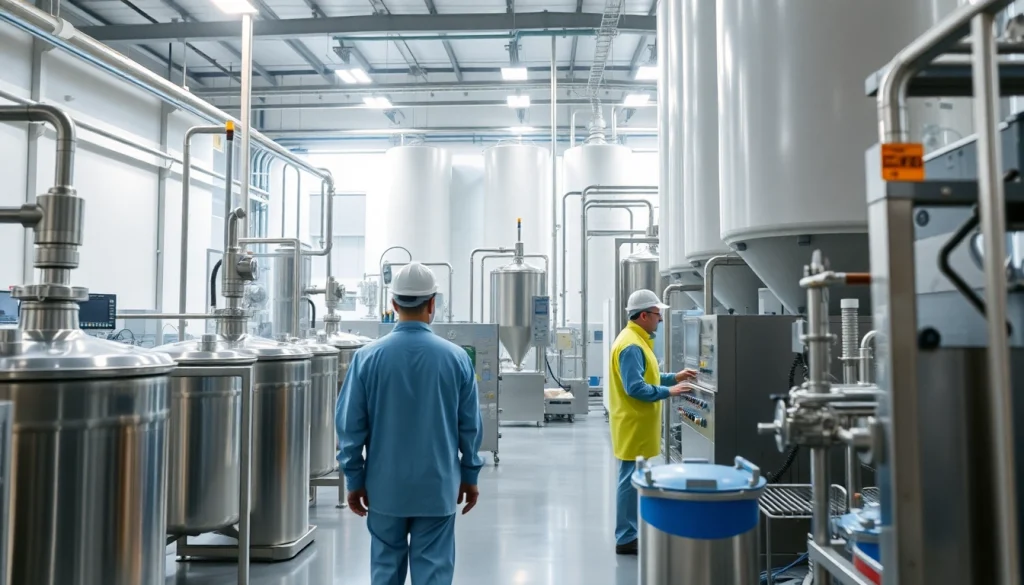
Introduction to Sweetener Factory Operations
Sweetener factories are pivotal in the modern food industry, responsible for producing a wide range of sweetening products that cater to diverse consumer needs. As health trends shift towards low-sugar diets, the role of such factories becomes increasingly important. Understanding the operations within a sweetener factory is crucial for stakeholders in the food production chain, from manufacturers to consumers. This article delves into the intricacies of sweetener factory operations, offering insights into their significance, production processes, and evolving market dynamics.
What is a Sweetener Factory?
A sweetener factory is a specialized manufacturing facility designed for the bulk production of sweetening agents used across various food products. These factories produce both natural and artificial sweeteners, catering to an array of industries including food, beverages, pharmaceuticals, and nutraceuticals. Sweeteners are essential ingredients that not only enhance flavor but also meet dietary needs without adding excessive calories.
Importance of Sweetener Factories in Food Production
Sweeteners are fundamental to the food industry. They enhance flavor, balance acidity, and contribute to preservation. Moreover, as consumer awareness of health and wellness rises, sweetener factories adapt by developing alternative sweetening options that are lower in calories and suitable for various dietary restrictions. The innovations occurring within these factories directly impact food products, enabling brands to introduce low-sugar and sugar-free options that cater to a health-conscious market.
Overview of Production Processes
The production of sweeteners in a factory involves several key processes, including sourcing raw ingredients, refining them, and formulating the final products. The process begins with the selection of appropriate sweetening sources, which can range from sugarcane and beets for traditional sugars to various plants for natural sweeteners like stevia. Once sourced, these raw materials undergo a series of steps such as extraction, purification, and crystallization to achieve the desired sweetness and texture.
Types of Sweeteners Produced
Natural vs. Artificial Sweeteners
Sweeteners can be broadly categorized into natural and artificial types. Natural sweeteners, such as honey, maple syrup, and stevia, are derived from plants and are often perceived as healthier options. On the other hand, artificial sweeteners, like aspartame and sucralose, are synthetically produced and are favored for their low-calorie content. Both categories serve different market segments, with consumer preferences often swaying based on health trends and flavor profiles.
Market Trends: Popular Sweetener Choices
Current market trends indicate a growing preference for natural sweeteners. As consumers become more ingredient-conscious, the demand for clean-label products that feature organic or non-GMO sweeteners is rising. Sweeteners with health claims, such as those containing probiotics or beneficial sweet polyols, are gaining traction among health-oriented consumers.
Health Benefits of Alternative Sweeteners
Alternative sweeteners offer several health benefits. Many are low in calories, making them ideal for weight management. Sweeteners derived from monk fruit or erythritol, for example, provide sweetness without the blood sugar spikes associated with traditional sugars. Furthermore, certain natural sweeteners contain antioxidants and other beneficial compounds. These health advantages are frequently highlighted in product marketing, helping to attract health-conscious consumers.
Technology and Innovation in Sweetener Factories
Automation in Production Lines
The trend towards automation in sweetener factories is revolutionizing production efficiency. Automated processes reduce human error, streamline operations, and increase output. Robotics and AI are being employed for tasks such as packing and quality control, allowing factories to operate more seamlessly and with lower labor costs.
Quality Control Technologies
Quality control is vital in sweetener production to ensure product consistency and safety. Advanced technologies such as infrared spectrometry and chromatographic techniques are used to analyze the composition of sweeteners at various stages of production. By implementing strict quality control protocols, factories can maintain high standards that meet regulatory requirements and consumer expectations.
Sustainable Practices within Sweetener Production
Sustainability is becoming a cornerstone of sweetener factory operations. Many factories are adopting eco-friendly practices, such as utilizing renewable energy sources and minimizing waste through recycling. Water conservation methods and sustainable sourcing of raw materials are also employed to reduce the environmental impact of sweetener production. These initiatives not only appeal to environmentally conscious consumers but also improve the overall efficiency of production processes.
Challenges Faced by Sweetener Factories
Supply Chain and Ingredient Sourcing Issues
Sweetener factories often grapple with supply chain challenges, particularly related to the sourcing of raw materials. Natural disasters, fluctuating commodity prices, and geopolitical issues can disrupt supply routes and impact availability. Factories must develop robust contingency plans and diversify their supply chains to mitigate these risks effectively.
Regulatory Compliance in Sweetener Manufacturing
Regulatory compliance poses another layer of complexity for sweetener factories. The food industry is heavily regulated, with stringent guidelines pertaining to ingredient labeling, safety, and quality. Factories must stay abreast of evolving regulations and ensure that all products meet the necessary guidelines to avoid penalties or trade restrictions.
Market Competition in the Sweetener Industry
The sweetener industry is highly competitive, with numerous players vying for market share. Factories must innovate continuously and improve processes to maintain a competitive edge. This can involve investing in R&D for new product development, improving operational efficiency, or enhancing marketing strategies to differentiate their offerings from those of competitors.
Future of the Sweetener Factory Sector
Emerging Technologies in Sweetener Production
Emerging technologies, such as precision fermentation and bioprocessing, are set to transform sweetener production. These technologies can lead to the development of novel sweeteners derived from non-traditional sources, enhancing the flavor profile and health benefits while reducing the environmental footprint of production. Such innovations are expected to create new opportunities and reshuffle the competitive landscape.
Consumer Preferences Shaping Production Strategies
As consumer preferences continue to evolve, sweetener factories must adapt their production strategies accordingly. The rise of plant-based diets and a focus on health-and-wellness-oriented products are compelling factories to explore new formulations that cater to these demands. Listening to consumer feedback and trends will be crucial in steering development efforts in coming years.
Strategies for Growth and Expansion
To ensure growth, sweetener factories must consider various strategies. Diversifying product lines to include innovative sweeteners, expanding into new markets, and investing in sustainable practices are effective ways to enhance competitiveness. Collaborating with food manufacturers to co-develop new products can also foster strong business relationships and drive mutual success.
Frequently Asked Questions
1. What are the key functions of a sweetener factory?
A sweetener factory produces various sweetening agents, optimizing the taste and quality of food products while adhering to safety and regulatory standards.
2. How do natural and artificial sweeteners differ?
Natural sweeteners are derived from plants, while artificial sweeteners are chemically synthesized. Both have distinct flavor profiles and nutritional labels.
3. What are the health benefits of using alternative sweeteners?
Alternative sweeteners can provide sweetness without adding calories, reducing blood sugar spikes and catering to various dietary needs, thus promoting healthier choices.
4. How do factories ensure product quality and safety?
Factories implement strict quality control measures throughout production processes, employing advanced technologies to analyze and test products for consistency and safety.
5. What impact does technology have on sweetener production?
Technology enhances efficiency, reduces errors, and allows for innovative product development. Automation and quality control systems are crucial for optimizing production.