
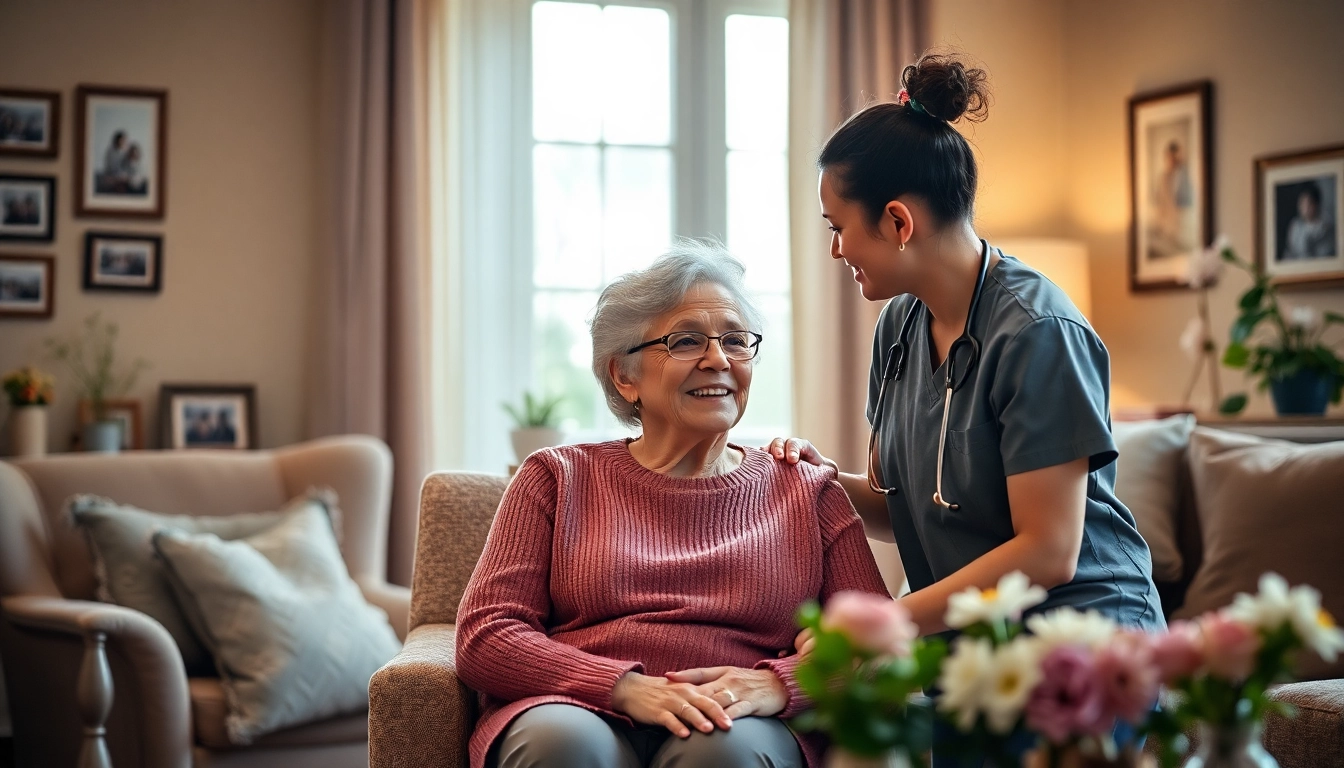
The Importance of In Home Care for Seniors
As the population ages, the need for quality care solutions for seniors becomes increasingly critical. Many families are faced with challenging decisions regarding how to best care for their elderly loved ones. In home care for seniors has emerged as a preferred option, blending support with the comfort of home. This comprehensive guide explores the myriad aspects of in home care, offering valuable insights for families considering this essential service.
Understanding In Home Care Services
In home care encompasses a variety of services tailored to assist seniors in their daily lives while allowing them to remain in the familiarity of their own homes. These services can range from personal care, such as bathing and dressing, to more specialized care requirements like medication management or physical therapy.
Care can be provided on a short-term or long-term basis, and it can be scheduled as needed—such as a few hours a day—or full-time, depending on the level of assistance required. Caregivers are often trained professionals who can navigate the unique challenges associated with aging, ensuring that each senior receives the appropriate level of care.
Benefits of In Home Care for Seniors
Choosing in home care for seniors presents numerous advantages:
- Comfort and Familiarity: Remaining in a familiar environment can greatly enhance the emotional well-being of seniors.
- Personalized Care: Care plans can be tailored to meet individual needs, preferences, and routines, which help seniors feel more in control of their lives.
- Increased Independence: In home care allows seniors to retain their independence and autonomy while providing them with the support they require.
- Social Interaction: Caregivers often become companions, reducing feelings of loneliness and isolation among seniors.
- Cost-Effectiveness: Compared to assisted living or nursing homes, in home care can be a more affordable option.
Challenges in Senior Home Care
While in home care offers many benefits, it does come with its own set of challenges:
- Caregiver Availability: Finding qualified caregivers who are available and a good fit can be difficult.
- Health Issues: The progressive nature of many health conditions may necessitate an increase in care over time.
- Family Dynamics: Family members may have differing opinions on the best care approach, which can lead to conflict.
- Cost Transparency: Understanding the costs associated with in home care and how to manage them can be complicated.
Choosing the Right Home Care Provider
Choosing a provider for in home care for seniors is a critical decision that requires careful consideration.
Assessing Your Care Needs
The first step in selecting a home care provider is to assess the needs of your loved one. This includes evaluating medical conditions, mobility issues, and any other unique requirements. Engaging with healthcare professionals can provide valuable insights into the level of care that is necessary.
Types of In Home Care Services Available
There are various types of in home care services that cater to different needs:
- Personal Care: Assistance with daily activities such as grooming, bathing, and meal preparation.
- Companionship: Social interaction and emotional support to reduce isolation.
- Skilled Nursing: Medical assistance provided by licensed nurses, including medication management and wound care.
- Respite Care: Temporary relief for primary caregivers, allowing them time to rest.
Evaluating Caregiver Qualifications
It's imperative to evaluate the qualifications of potential caregivers. Look for credentials such as certifications, experience in senior care, and background checks that ensure safety and reliability. Engaging in interviews and asking for references can help gauge the caregiver's compatibility with your loved one's needs.
Costs of In Home Care for Seniors
Understanding the financial implications of in home care for seniors is vital for planning.
Understanding Pricing Models
In home care pricing can vary significantly based on location, services rendered, and caregiver qualifications. Most providers offer hourly rates, but some may provide packages for long-term care that can reduce individual costs.
Insurance and Financial Options
Many seniors may be eligible for financial assistance through health insurance, Medicaid, or specific programs designed to aid with home care costs. It is important to consult with a financial advisor or insurance representative to explore all options available.
Budgeting for Home Care Services
Budgeting for home care is not only about assessing the hourly rates but also considering additional costs such as travel expenses, supplies, or special equipment needed to improve quality of care. Establishing a monthly budget and tracking expenses can help families manage their finances more effectively.
Creating a Safe and Comfortable Environment
Home environment significantly impacts the well-being of seniors receiving care. Making necessary adjustments can enhance safety and comfort.
Home Modifications for Seniors
Modifying the home to suit the needs of seniors can provide significant benefits. Consider installing grab bars in bathrooms, removing trip hazards, and ensuring that all areas of the home are well-lit to prevent falls. Adjustments to furniture arrangements may also improve mobility.
Essential Medical Equipment
Providing the appropriate medical equipment can enhance the care experience. Items may include walkers, wheelchairs, or even specialized beds which can contribute to the comfort and safety of seniors at home. Consulting with healthcare professionals can identify which equipment is most beneficial.
Promoting Independence and Comfort
Encouraging independence through the right care and modifications can be empowering. Finding simple solutions, such as using adaptive devices for cooking or personal grooming, can help seniors maintain their autonomy, leading to enhanced self-esteem and quality of life.
Long-Term Considerations for In Home Care
In home care for seniors is not just about immediate needs; it’s essential to consider long-term implications and adaptability.
Monitoring Health and Well-Being
Regularly monitoring the health and overall well-being of seniors is essential. Caregivers should maintain open communication with healthcare providers and stay vigilant for any changes in health status that may require adjustments in care approaches.
Adapting Care as Needs Change
As seniors age and their health conditions evolve, their care needs may change. It’s crucial for caregivers and families to assess and adapt the care plans periodically to match these changing needs, ensuring appropriate support at all times.
Communicating with Care Providers and Family
Effective communication between caregivers, families, and healthcare providers is vital for successful senior care. Regular meetings and updates can facilitate understanding of care progress and allow for collaborative planning for ongoing needs.
Frequently Asked Questions (FAQs)
What is in home care for seniors?
In home care for seniors provides assistance for daily activities and health management in the comfort of their home. Services may vary based on individual needs.
How do I choose a home care provider?
Select a provider by assessing care needs, evaluating caregiver qualifications, and considering available services, ensuring compatibility with your loved one.
What are the costs associated with in home care?
Costs can vary based on location, service needs, and caregiver qualifications. Budgeting for hourly rates, supplies, and additional expenses is essential.
Can in home care help with medical needs?
Yes, in home care can include skilled nursing services to assist with medical needs such as medication management and health monitoring.
How can I ensure my loved one feels comfortable with their caregiver?
Encourage open communication and involve your loved one in the selection process. Building rapport can help them feel more at ease with their caregiver.