
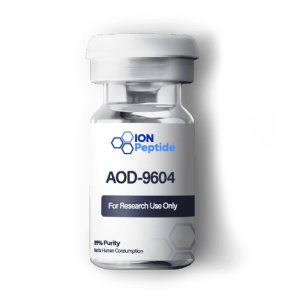
Understanding AOD-9604: A Modified HGH Fragment
AOD-9604 is a peptide derived from the human growth hormone (HGH) molecule, specifically engineered to target fat metabolism without triggering growth hormone-related side effects. Unlike traditional HGH therapy, AOD-9604 focuses on stimulating lipolysis—the breakdown of fat—while leaving other hormonal pathways largely unaffected. Research has shown that this peptide may provide a safer alternative for promoting fat loss, making it a topic of interest in metabolic studies. The structural modification of AOD-9604 allows it to mimic the fat-reducing region of HGH, optimizing its effects on adipose tissue.
How AOD-9604 Works: Mechanism of Action
The primary mechanism of AOD-9604 involves the activation of enzymes that accelerate the breakdown of triglycerides in fat cells. By stimulating lipolytic pathways, AOD-9604 enhances fat oxidation, which contributes to reduced fat mass. Unlike full-length HGH, AOD-9604 does not significantly increase IGF-1 levels, meaning it avoids growth-related complications. Studies indicate that AOD-9604 influences metabolic signaling pathways that favor fat burning while maintaining energy balance, making it an attractive candidate for obesity and metabolic research.
Key Findings from AOD-9604 Studies
Several preclinical and clinical studies have explored the efficacy of AOD-9604 in targeted fat loss. In animal models, AOD-9604 administration led to reduced fat deposition without altering muscle mass. Human trials also suggest improvements in lipid metabolism and energy utilization, highlighting the peptide’s potential for managing body composition. Researchers emphasize that AOD-9604 operates independently of systemic growth hormone effects, which supports its safety profile in long-term studies.
AOD-9604 Peptide Structure and Biological Activity
Structurally, AOD-9604 is a short peptide fragment that replicates amino acids 177-191 of human growth hormone. This specific sequence is crucial for its lipolytic activity. Laboratory studies have confirmed that AOD-9604 interacts with fat cells to enhance triglyceride breakdown and inhibit new fat formation. The peptide’s stability and bioavailability make it suitable for experimental and therapeutic applications, reinforcing its status as a targeted metabolic agent.
Non-GH Fat Loss Effects of AOD-9604
A significant advantage of AOD-9604 is its ability to promote fat reduction without stimulating growth hormone pathways. Unlike HGH, AOD-9604 selectively targets fat tissue, limiting the risk of side effects such as insulin resistance or joint issues. Clinical investigations have demonstrated that AOD-9604 can reduce visceral fat and improve overall metabolic health, providing evidence for its potential in weight management strategies.
Scientific Insights into AOD-9604 Metabolism
Research on AOD-9604 indicates that the peptide enhances energy expenditure and fat oxidation while maintaining lean body mass. It has shown potential to regulate adipocyte function and improve lipid utilization. These metabolic insights suggest that AOD-9604 could be integrated into therapeutic protocols aimed at combating obesity, especially in individuals with impaired fat metabolism. Its precise action allows researchers to explore fat regulation without affecting other hormonal systems.
Conclusion
In summary, AOD-9604 represents a novel approach to targeted fat metabolism and lipolysis. Its unique structure and mechanism allow for fat reduction without the systemic effects of growth hormone. Studies consistently highlight AOD-9604’s ability to stimulate fat breakdown, regulate energy balance, and support metabolic health. As research continues, AOD-9604 stands out as a promising peptide for safe and efficient fat loss, offering a focused alternative to traditional HGH therapies.