
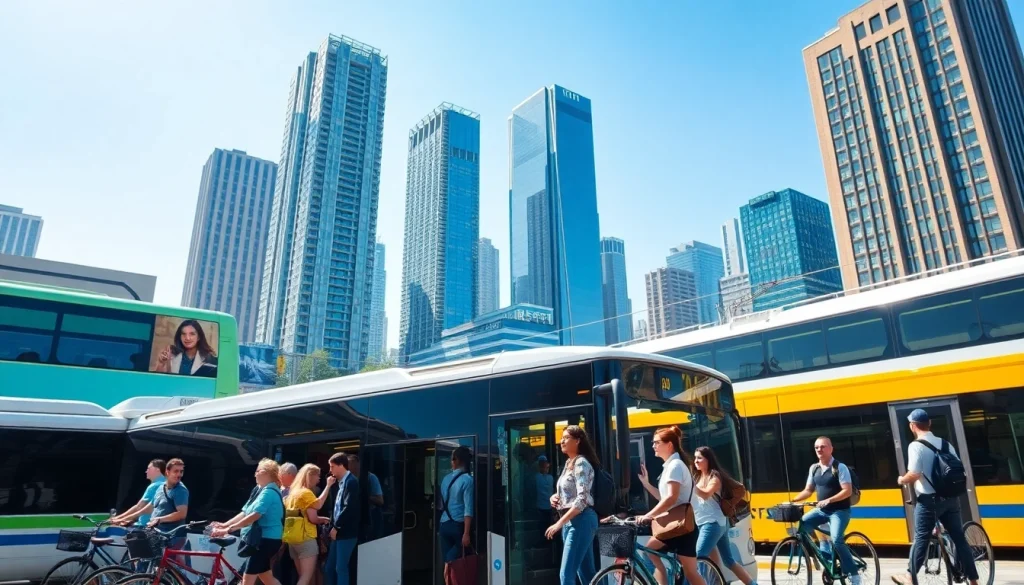
Introduction to Transportation: The Backbone of Urban Life
Transportation is an essential component of society, enabling the movement of people, goods, and ideas. It serves as the backbone of urban life, connecting individuals to their daily activities, driving economic development, and shaping our environment. In today’s fast-paced world, having a robust transportation system is not merely a luxury; it’s a necessity.
Understanding the intricacies of transportation involves exploring its various modes, challenges, and evolving future. This comprehensive overview aims to illuminate the multifaceted world of transportation—its historical evolution, its current landscape, and the innovations that are shaping its future.
Defining Transportation and Its Importance
Transportation is defined as the intentional movement of humans, animals, and goods from one location to another. This fundamental activity plays a crucial role in establishing connections among communities, enhancing economic productivity, and contributing to cultural exchanges. The significance of transportation can be viewed through several lenses:
- Economic Development: A well-developed transportation network fosters economic growth by reducing transport costs and time, ultimately facilitating trade and commerce.
- Social Connectivity: An integrated transportation system enhances accessibility, enabling individuals to participate more fully in society, from employment opportunities to education and healthcare services.
- Environmental Sustainability: Efficient transportation can minimize environmental impacts through reduced emissions and improved urban planning, creating greener communities.
Historical Evolution of Transportation Systems
The history of transportation is as old as civilization itself, evolving from primitive methods to complex global networks. Key milestones in this evolution include:
- Early Human Transport: The use of animal-drawn carts and boats allowed early civilizations to trade and travel.
- The Industrial Revolution: This era saw the birth of railways and steamships, revolutionizing the speed of trade and movement.
- Automobile Era: The 20th century marked the rise of personal vehicles, leading to urban expansion and changes in societal behavior.
- Modern Innovations: Today, we see the integration of advanced technologies such as GPS, mobile apps, and electric vehicles, significantly transforming how we view transportation.
Key Statistics on Transportation Usage
Statistics provide deep insights into how transportation functions on a macroeconomic scale. A plethora of data reveals the following trends:
- According to the U.S. Department of Transportation, Americans travel over 11 billion miles per year.
- Public transportation accounts for approximately 5 billion passenger trips annually in the U.S.
- In urban areas, as much as 30% of land use can be attributed to transportation infrastructure.
These numbers underscore the importance of a well-planned transportation system that meets current and future demands.
Types of Transportation: A Comprehensive Overview
Public Transportation: Buses, Trains, and Subways
Public transportation serves as a lifeline in many urban environments, providing essential services to millions. It includes various modes such as buses, subways, and light rail. Each offers unique advantages:
- Buses: Often the most flexible option, buses can navigate through city streets, providing services to areas not accessible by train.
- Trains: Rail systems offer higher capacity and speed, making them ideal for long-distance and urban commutes.
- Subways: Underground systems minimize congestion on roads while promoting quick movement across densely populated areas.
Successful public transportation systems have been shown to reduce traffic congestion and environmental impact, particularly when well-integrated with urban design.
Private Transportation: Cars, Motorcycles, and Bicycles
Private transportation continues to dominate personal mobility in many regions. Here we examine different modes:
- Cars: The most common form of private transport, vehicles provide flexibility and convenience but contribute significantly to traffic congestion and pollution.
- Motorcycles: An efficient alternative for solo travelers, motorcycles typically use less fuel and require less parking space.
- Bicycles: Increasingly popular, bicycles offer a sustainable option for short distances, promoting health and reducing urban noise and emissions.
While the convenience of private transport is undeniable, it comes with challenges such as increased road congestion and environmental degradation that cities must address.
Alternative Modes: Walking, Carpooling, and Ridesharing
Alternative transportation modes have gained traction as urban areas seek sustainability. These include:
- Walking: The most basic form of transport is critical to urban planning, emphasizing pedestrian-friendly designs.
- Carpooling: This method encourages shared rides, reducing the number of vehicles on the road and lowering overall emissions.
- Ridesharing: Services like Uber and Lyft facilitate on-demand mobility, providing flexible transport options while potentially impacting public transit ridership.
Utilizing alternative modes can help alleviate urban congestion and promote healthier lifestyles.
Challenges Facing the Transportation Industry Today
Traffic Congestion and Urban Sprawl
Traffic congestion is a major challenge that cities face worldwide. Urban sprawl often compounds this issue, leading to longer commutes and greater reliance on automobiles:
Strategies to mitigate congestion include:
- Improving Public Transportation: Investing in reliable and efficient public transit can reduce the number of vehicles on the road.
- Implementing Congestion Pricing: Charging drivers during peak hours can incentivize travel during off-peak times.
- Promoting Electric and Hybrid Vehicles: Encouraging cleaner transport options can limit environmental impact while maintaining mobility.
Each strategy must be carefully considered for its feasibility and impact on different community segments.
Environmental Concerns and Sustainability
The environmental impact of transportation is a growing concern. The sector is responsible for a significant proportion of global greenhouse gas emissions. Sustainable transportation solutions include:
- Investing in Sustainable Infrastructure: Developing bike paths and pedestrian districts supports eco-friendly transport methods.
- Promoting Electric Vehicles: Transitioning from gasoline to electric vehicles can significantly reduce emissions.
- Encouraging Public Transport Use: Enhancing the infrastructure and efficiency of public transit can lower individual carbon footprints.
Sustainability initiatives work toward reducing environmental harm while improving quality of life.
Technology-Driven Changes: Smart Transportation Solutions
Technology is reshaping the transportation landscape. Innovative solutions are emerging to tackle existing challenges:
- Smart Traffic Management: Using AI and data analytics can optimize traffic flow and reduce congestion.
- Autonomous Vehicles: This revolutionary technology has the potential to enhance safety and efficiency on the roads.
- Connected Mobility: Integrating transportation services through mobile applications facilitates seamless transfer between different modes.
As cities adopt these technologies, they must also consider cybersecurity and privacy concerns associated with data collection.
The Future of Transportation: Innovations on the Horizon
Electric and Autonomous Vehicles: Opportunities and Risks
Electric and autonomous vehicles represent the frontier of transportation innovation. They promise a multitude of benefits but also pose new challenges:
- Benefits: Reduced emissions, lower operational costs, and enhanced safety.
- Challenges: Potential job losses in driving jobs, the high cost of infrastructure development for electric charging stations, and the need for updated regulations.
Governments and businesses must collaborate to navigate these changes effectively while addressing public concerns.
The Role of Technology in Transforming Urban Mobility
Technology is at the core of transforming urban mobility. Emerging trends include:
- Mobility as a Service (MaaS): This model integrates various forms of transport services into a single accessible platform, simplifying travel planning.
- Data Utilization: Leveraging data analytics for operational improvements and enhanced user experiences.
- Integration of IoT: Smart sensors and devices can provide real-time data for traffic management and public safety.
These technological advancements promise to reshape the future of urban transport, encouraging collaboration among stakeholders.
Public-Private Partnerships in Transportation Development
Collaboration between public agencies and private companies is essential for sustainable transportation development. Such partnerships can:
- Share Costs and Risks: Collaborative projects can distribute financial burdens, using taxpayer money more effectively.
- Leverage Innovation: Private firms can introduce cutting-edge technologies and practices in public systems.
- Improve Service Delivery: Joint ventures can lead to enhanced service offerings and user experience.
Engagement with the community is also crucial in ensuring that the transportation system meets users’ needs.
Best Practices for Optimizing Transportation Solutions
Enhancing Efficiency through Smart Traffic Management
Smart traffic management systems can play a pivotal role in improving transportation efficiency. Techniques include:
- Adaptive Traffic Signals: Systems that adjust signal timing according to real-time traffic conditions can reduce congestion.
- Incident Detection Systems: Rapid reporting and response can minimize delays caused by accidents or construction.
- Dynamic Route Guidance: Providing real-time updates to drivers can help optimize travel paths.
Implementing these systems requires investment and collaboration across various government levels.
Incorporating User Feedback into Transportation Services
User feedback is invaluable in refining transportation services. Listening to the community can lead to actionable insights:
- Surveys and Polls: Regularly engaging users can help identify areas for improvement and gather suggestions.
- Focus Groups: Direct discussions with a diverse representation of users can yield in-depth insights into needs and preferences.
- Community Meetings: Public discussions provide a forum for individuals to voice opinions and foster transparency.
Incorporating this feedback into planning and operations can lead to a more user-centric approach.
Measuring Success: Performance Metrics and Analysis
Tracking performance is essential for understanding and enhancing transportation systems. Key performance indicators (KPIs) include:
- Ridership Trends: Analyzing changes in public transport ridership can inform service adjustments.
- Travel Time Reliability: Monitoring average travel times can identify congestion patterns and service inefficiencies.
- User Satisfaction Scores: Gathering user feedback regarding service quality provides valuable insights into areas needing improvement.
By regularly evaluating these metrics, stakeholders can foster continuous improvement and adaptability in transportation systems.