
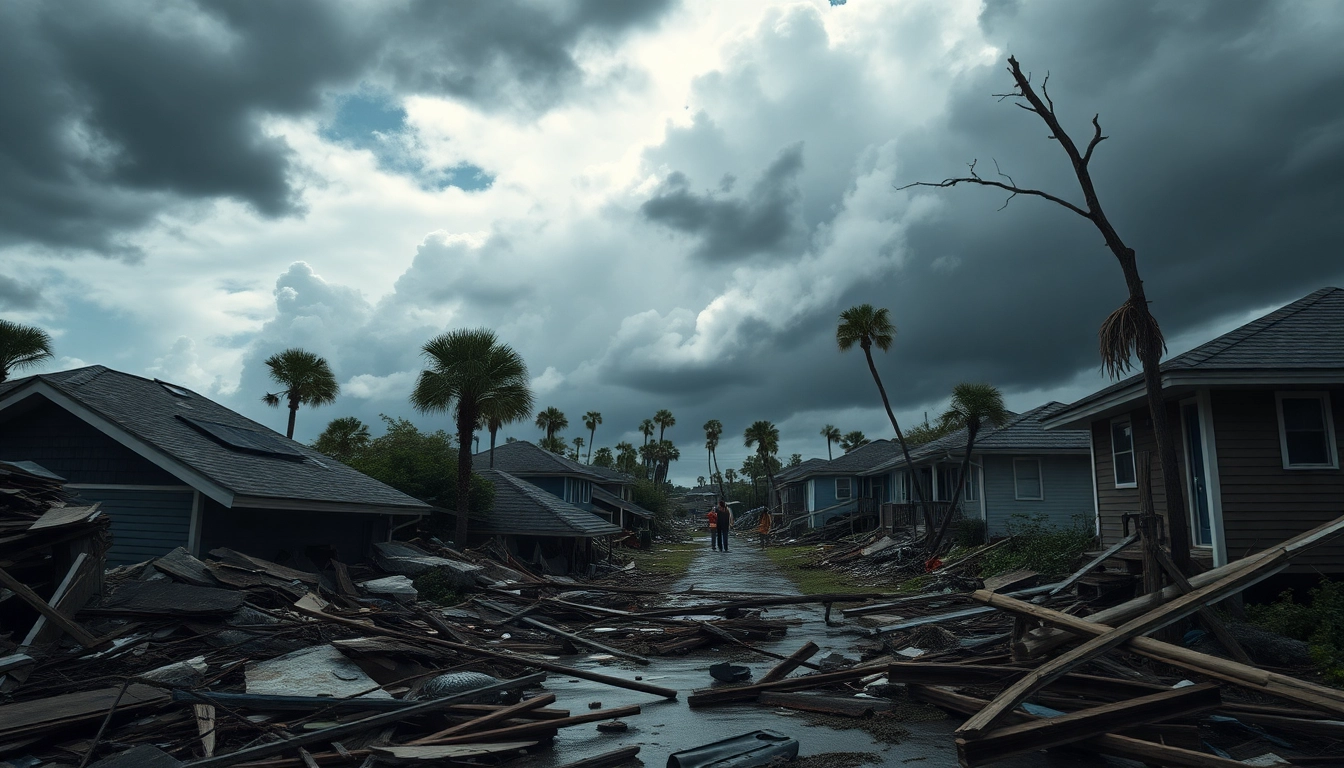
Florida is known for its stunning beaches, vibrant culture, and idyllic weather; however, it is also a region that is frequently battered by hurricanes. The state faces significant challenges from hurricane-related disasters, leading to widespread destruction and economic challenges. In this comprehensive exploration, we will delve into the Florida Hurricane Damage, including its causes, impact, recovery strategies, insurance considerations, and future preparedness efforts. By understanding these factors, residents and policymakers can better prepare for and respond to future hurricanes.
Understanding Florida Hurricane Damage: Causes and Impact
Key Factors Contributing to Florida Hurricane Damage
Several factors influence the extent of hurricane damage that Florida experiences. The state’s geographical location, its climate, and the nature of hurricanes themselves all play crucial roles:
- Geographical Location: Florida’s position in the southeastern United States places it in the path of tropical storms and hurricanes that develop in the Atlantic Ocean and the Gulf of Mexico.
- Climate Change: Rising ocean temperatures have been linked to increased hurricane intensity and frequency. The warmer waters provide more energy for storms, leading to more severe weather systems.
- Urban Development: Rapid urbanization has led to increased vulnerability. More buildings, infrastructure, and people in harm’s way can create severe damage during hurricanes.
- Environmental Degradation: Coastal erosion, wetland loss, and deforestation reduce natural barriers that help mitigate storm impacts, increasing the potential for flooding and damage during hurricanes.
Economic Consequences of Hurricane Damage in Florida
The economic impact of hurricane damage in Florida is staggering. Recovery costs can run into the billions, affecting local businesses, state budgets, and individual livelihoods:
- Property Damage: Homes and commercial properties can suffer extensive damage, requiring significant investment in repairs and rebuilding.
- Insurance Claims: The processing of insurance claims can create financial strain and delay recovery efforts.
- Displacement: Many residents may be displaced for extended periods, impacting their ability to work and support their families.
- Local Economy: As businesses close or reduce operations, employment can decline, leading to long-term economic challenges.
Personal Stories: How Hurricanes Affect Floridians
The human element of hurricane damage cannot be overlooked. Personal stories from those who have experienced hurricane devastation highlight the emotional toll and resilience of the affected communities:
One resident of a small coastal town shared how Hurricane Milton uprooted not only trees but also the very fabric of their community. Homes were lost, neighbors were displaced, and the struggle to rebuild became an emotional battleground. Children lost their schools, while parents faced the stress of uncertain jobs and living arrangements.
Assessing the Extent of Florida Hurricane Damage
Damage Assessment Tools and Techniques in Florida
Effective assessment of hurricane damage is crucial for informing recovery strategies. A range of tools and techniques are employed:
- Aerial Surveys: Drones and aircraft provide an efficient means of collecting data over large areas, allowing for rapid damage assessment.
- Satellite Imagery: Remote sensing technology enables detailed analysis of affected regions before and after hurricanes to estimate damage.
- Ground Surveys: Teams on the ground assess structural damage and needs assessment through direct community engagement.
- Data Analytics: Historical data and predictive modeling help anticipate future damage scenarios based on past events.
The Role of Volunteers and NGOs in Damage Assessment
The local community, alongside non-governmental organizations (NGOs), plays an instrumental role in post-hurricane damage assessment:
Volunteers often come from across the country, offering their time and skills to help local authorities assess damage and support recovery efforts. NGOs help facilitate these initiatives, ensuring that assessments are performed accurately and that necessary resources are deployed to the most affected areas.
Case Studies of Recent Hurricanes in Florida
Analyzing recent hurricane events provides insight into the damage patterns and recovery efforts:
After Hurricane Helene struck Florida’s coast, reports indicated a stark contrast in recovery speed based on pre-hurricane preparedness. Areas that had invested in robust infrastructure and community planning showed resilience and a swift return to normalcy, while those that had not faced prolonged challenges.
Recovery Strategies Following Florida Hurricane Damage
Government Resources Available for Recovery Efforts
Governmental assistance is critical in the aftermath of hurricanes. Resources available include:
- Federal Emergency Management Agency (FEMA): Provides financial assistance and coordinates federal disaster response efforts.
- State Emergency Response Team: Coordinates local and state response efforts to supplement federal aid.
- Local Government Programs: City and county governments often have dedicated funds and programs for immediate response needs.
Community-Led Initiatives for Hurricane Recovery
Grassroots efforts can often complement governmental initiatives, involving community members in the recovery process:
Local groups often mobilize to distribute supplies, provide shelter, and assist with rebuilding efforts. Through community engagement, these actions can create stronger social bonds and foster resilience among residents.
Long-Term Planning: Building Resilient Infrastructure
Successful recovery involves planning for future impacts rather than merely responding to past ones. Initiatives may include:
- Stronger Building Codes: Updating regulations and standards for construction to withstand hurricane conditions better.
- Natural Barriers: Restoring wetlands and building dunes can significantly mitigate storm damage and flooding.
- Infrastructure Investments: Upgrading bridges, roads, and public buildings to meet higher resistance standards can save costs and lives in future storms.
Insurance Considerations for Florida Hurricane Damage
Types of Insurance Coverage for Hurricane-related Damage
Understanding insurance coverage options is vital for Florida residents:
- Homeowners Insurance: Generally covers wind damage but may require additional policies for flood damage.
- Flood Insurance: Necessary in coastal areas as standard homeowners insurance typically excludes flood-related damage.
- Business Interruption Insurance: Can help businesses recover lost income due to unexpected shutdowns following hurricanes.
Navigating Claims After Florida Hurricane Damage
Filing insurance claims can be complex after a hurricane:
Policyholders should document all damages meticulously, communicate clearly with their insurance adjuster, and stay persistent in follow-ups to ensure a smooth claims process. Understanding the insurer’s requirements helps expedite the process and recovery.
Insurance Myths and Realities in Hurricane Recovery
There are many misconceptions surrounding insurance that can affect recovery efforts:
- Myth: All types of hurricane damage are covered by standard homeowners insurance.
- Reality: Homeowners insurance usually excludes flood damage, requiring separate flood insurance policies.
Future Preparedness Against Florida Hurricane Damage
Innovative Technologies for Prediction and Prevention
Technological advancements continue to enhance our ability to predict hurricanes and minimize damage:
- Predictive Analytics: Utilizing big data and algorithms can improve the accuracy of storm track predictions.
- Advanced Modeling: Simulations help cities understand potential impacts and prepare more effectively.
- Smart Infrastructure: New technologies in sensors and real-time data collection can help monitor vulnerable areas.
Education and Awareness Programs for Residents
Continuous education is crucial for effective hurricane preparedness:
Community outreach programs that promote hurricane preparedness strategies and resources increase resilience. Workshops that teach homeowners about insurance, evacuation routes, and emergency kits can significantly mitigate damage and enhance safety during storms.
How Local Governments Can Enhance Preparedness Efforts
Local government initiatives play an essential role in hurricane preparedness:
By creating and regularly updated emergency response plans, investing in infrastructure improvements, and providing community education, local authorities can substantially improve the readiness of their constituents.