Understanding Custom Steel Fabrication
What is Custom Steel Fabrication?
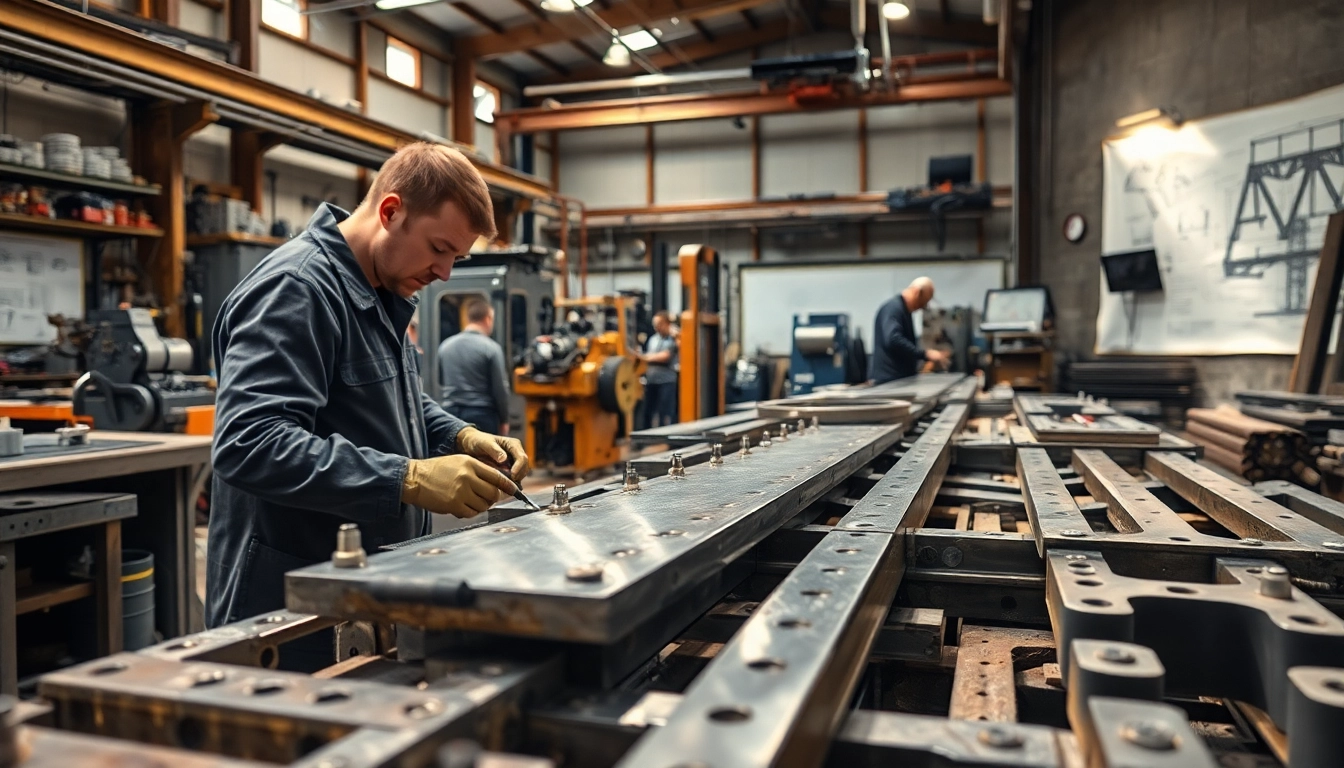
Custom steel fabrication is a specialized process involving the design, cutting, shaping, and assembling of steel structures and components tailored to meet specific project requirements. This process is integral to various industries, including construction, automotive, and manufacturing, and involves a combination of advanced technology and skilled craftsmanship. By utilizing techniques such as welding, bending, and machining, fabricators can convert raw steel materials into finished products that fit unique specifications.
Importance of Custom Steel Fabrication in Today’s Industries
In a rapidly evolving industrial landscape, custom steel fabrication plays a crucial role in enhancing operational efficiency and meeting market demands. This process not only provides versatility in design and functionality but also ensures the cost-effectiveness of projects. As companies strive to differentiate themselves, they increasingly rely on bespoke solutions that can be achieved through custom fabrication. The ability to create tailored products allows businesses to respond quickly to changing consumer preferences and technological advancements.
Key Processes in Custom Steel Fabrication
Understanding the key processes involved in custom steel fabrication can help industries leverage its potential. These processes typically include:
- Design and Engineering: Utilizing CAD (Computer-Aided Design) software to create detailed designs that meet structural and aesthetic requirements.
- Cutting: Employing various cutting techniques such as laser cutting, plasma cutting, and water jet cutting to achieve precise dimensions.
- Bending: Shaping steel using techniques like press braking and roll forming to create curvatures and angles.
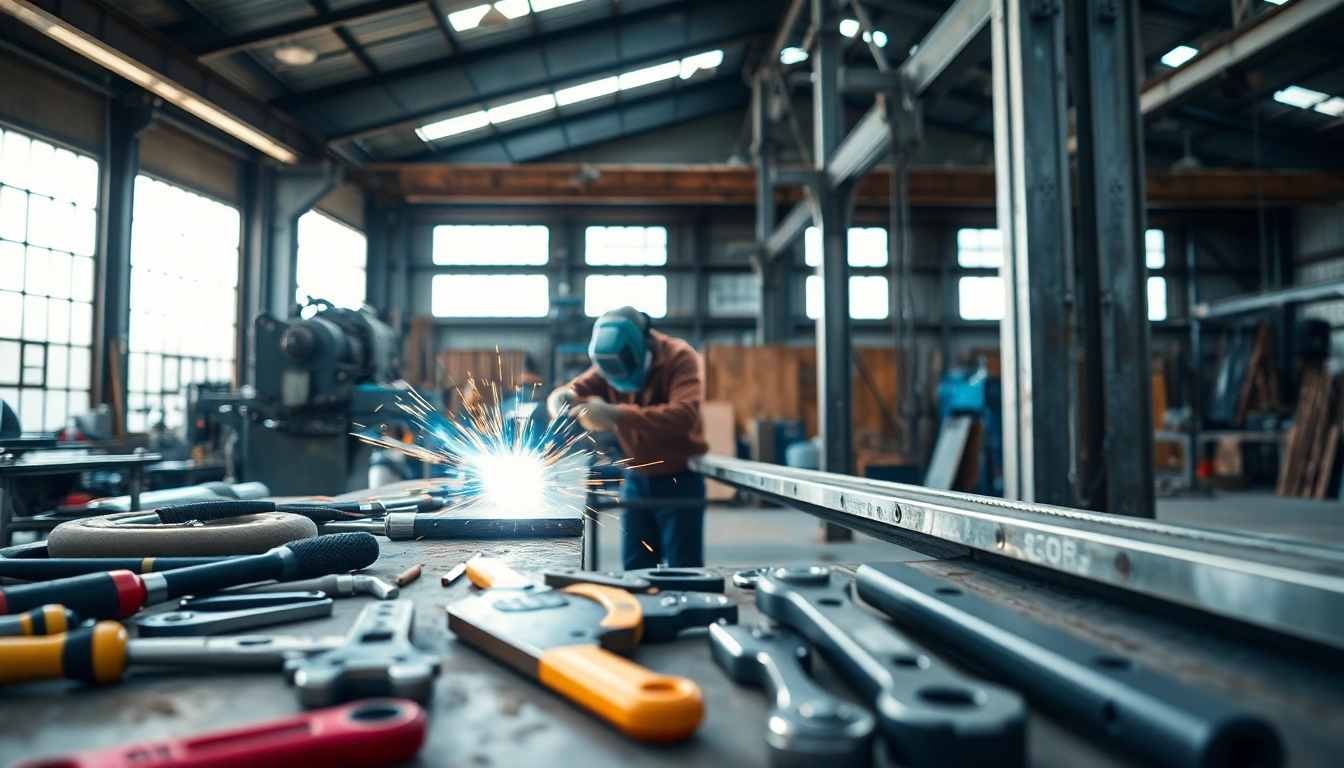
- Welding: Joining metal components through welding techniques such as MIG, TIG, or spot welding to form strong, durable connections.
- Finishing: Applying coatings or treatments to enhance aesthetics and corrosion resistance, including powder coating, galvanization, or painting.
Common Applications of Custom Steel Fabrication
Construction and Architecture
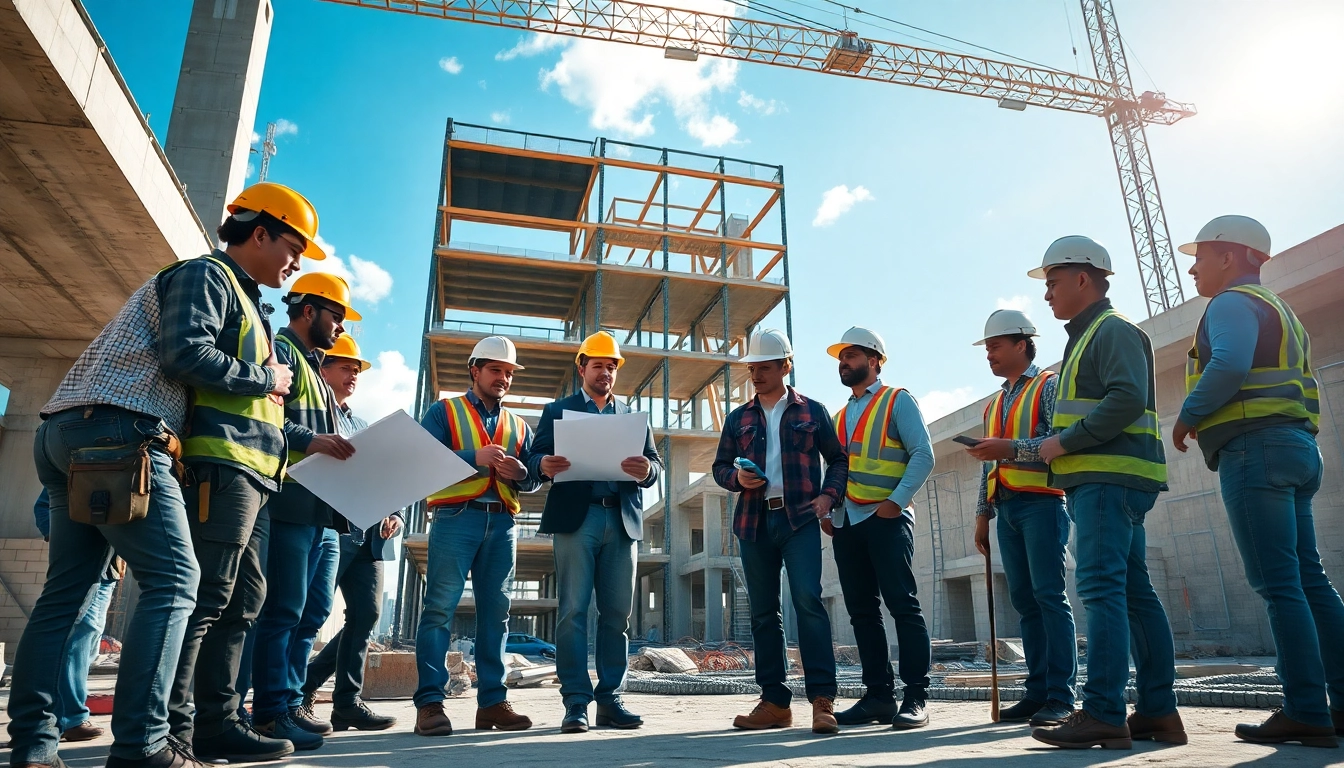
Custom steel fabrication is widely utilized in the construction and architecture sectors. It enables the creation of building frames, staircases, structural supports, and aesthetic elements such as facades. Not only does it provide the structural integrity required for safety, but it also allows architects to implement innovative design concepts that were previously deemed impossible. Projects that utilize custom steel components benefit from reduced construction times and increased flexibility in design.
Automotive and Transportation
In the automotive and transportation industries, custom steel fabrication is essential for manufacturing components such as chassis, frames, and structural safety features. The demand for lightweight yet strong materials has driven innovation in fabrication techniques, enabling manufacturers to produce complex geometries that enhance performance and safety. Moreover, customizing parts for specific vehicle designs helps manufacturers align with consumer needs and preferences.
Manufacturing and Industrial Use
The manufacturing sector heavily relies on custom steel fabrication for machinery components, tooling, and production lines. Custom solutions enhance the efficiency and effectiveness of manufacturing processes, allowing businesses to tailor their operations to meet the unique demands of their production scenarios. Rather than relying solely on standardized products, manufacturers can develop specialized equipment that improves productivity and workplace safety.
Choosing the Right Materials for Custom Steel Fabrication
Types of Steel Used
Several types of steel can be utilized in custom steel fabrication, each offering distinct benefits based on the application. Common types include:
- Carbon Steel: Known for its strength and durability, it’s widely used for structural components.
- Stainless Steel: Offers resistance to corrosion and staining, making it ideal for environments requiring hygiene and durability, such as food processing industries.
- Alloy Steel: Composed of various elements to enhance properties like tensile strength and hardness, suitable for specialized applications requiring higher performance.
- Tool Steel: Designed for making tools and dies, it offers high wear resistance and is used in the production of industrial equipment.
Factors Affecting Material Selection
When selecting materials for custom steel fabrication, several factors should be considered:
- Physical Properties: Material strength, ductility, and toughness are critical for performance under load.
- Environmental Conditions: The presence of corrosive elements or extreme temperatures can dictate the choice of material.
- Cost: Budget constraints may influence both the type of material used and the feasibility of specific fabrication processes.
- Availability: The ease of sourcing particular materials can affect project timelines and costs.
Environmental Considerations
With increasing awareness regarding environmental sustainability, material selection also involves understanding the ecological impact. This encompasses:
- Recyclability: Steel is inherently recyclable, which can reduce the carbon footprint of projects.
- Production Emissions: Assessing the emissions produced during the manufacturing of the selected materials helps in minimizing environmental impact.
- Life Cycle Analysis: Evaluating the entire life span of the material, from manufacturing through use and eventual disposal or recycling.
Quality Control in Custom Steel Fabrication
Standards and Certifications
Ensuring quality in custom steel fabrication requires adherence to established standards and certifications that guarantee reliability and safety. Key standards include:
- ISO 9001: A quality management standard that provides a framework for consistent quality assurance.
- ASTM Standards: American Society for Testing and Materials standards set benchmarks for material quality and performance.
- ASME Certification: Relevant for industries requiring specific manufacturing practices for pressure vessels and piping.
Testing Methods for Fabricated Products
Quality assurance in custom steel fabrication involves various testing methods to verify the integrity of fabricated components. Common testing methods include:
- Non-Destructive Testing (NDT): Techniques like ultrasonic testing and X-ray examination are used to detect internal defects without damaging the components.
- Tensile Testing: Measures the strength and ductility of steel to ensure it meets specification requirements.
- Inspection and Validation: Visual inspections and measurements ensure that components adhere to design specifications.
Importance of Quality Assurance in Projects
Quality assurance is critical in custom steel fabrication as it impacts both safety and performance. Poor-quality materials or fabrication can lead to structural failures, resulting in financial loss and safety hazards. Implementing stringent quality control measures helps prevent defects and ensures compliance with regulatory standards, allowing firms to maintain reputations and client trust.
Future Trends in Custom Steel Fabrication
Advancements in Technology and Techniques
The landscape of custom steel fabrication is continually evolving due to technological advancements. Innovations in CAD software, CNC machinery, and automation are driving efficiency and precision. Techniques such as 3D printing are being explored, enabling rapid prototyping and complex geometries that were previously unattainable. Integration of AI and machine learning provides insights that help optimize processes and predict potential issues before they arise.
Sustainability in Steel Fabrication
As sustainability becomes a priority across industries, custom steel fabrication must adapt. This involves not only the material choices but also optimizing processes to reduce waste and energy consumption. The implementation of green technologies and practices can result in more efficient operations that align with environmental goals. The push for sustainable practices is also likely to influence design, as companies seek to meet environmental targets while maintaining functionality.
Innovations Shaping the Future
The future of custom steel fabrication will see a shift towards digitalization, with data analytics playing a crucial role in decision-making. Blockchain technology could enhance traceability in supply chains, ensuring material integrity from source to fabrication. Innovations in material science, such as smart steel that can monitor its health and structural integrity over time, are on the horizon, paving the way for smarter, safer infrastructures.