
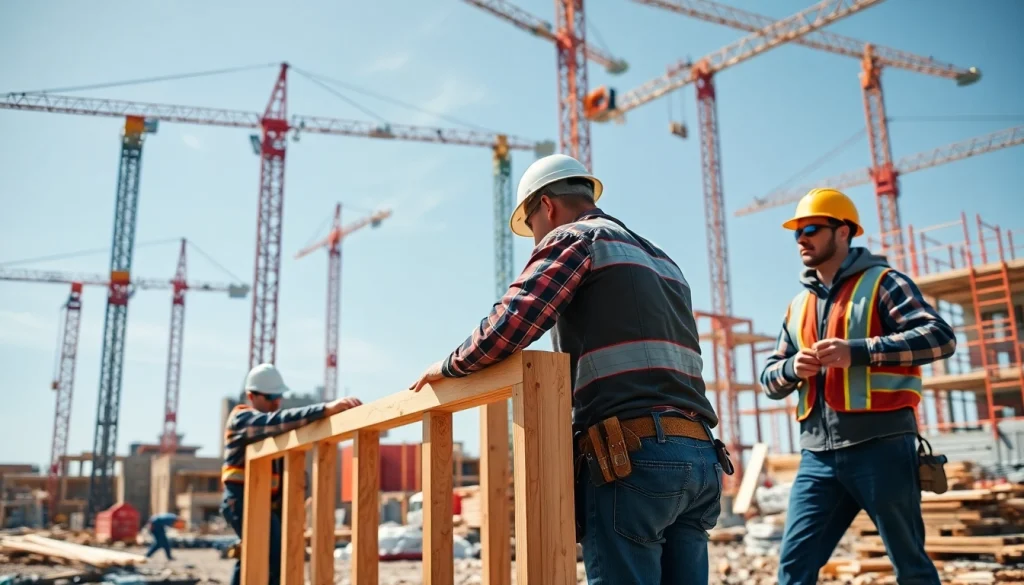
Understanding the Construction Career Landscape
The construction industry plays a vital role in global economic development, offering a wide range of career opportunities for skilled individuals. From building homes and roads to crafting monumental structures, a construction career is not just a job—it’s a pathway for growth, creativity, and collaboration. This article explores various aspects of the construction career landscape, including the skills required for advancement, the current job market trends, and future opportunities.
Overview of Construction Jobs
Construction jobs encompass a diverse range of roles, each contributing to a project’s success. From laborers who work on-site to engineers who design the framework, the construction sector requires a multifaceted approach. Some common positions include:
- Construction Manager: Oversees project planning, scheduling, and budgeting.
- Carpenter: Specializes in woodwork, building frameworks and structures.
- Electrician: Installs, maintains, and repairs electrical systems.
- Heavy Equipment Operator: Operates machinery essential for construction tasks.
- Architect: Designs buildings while ensuring they meet safety and aesthetic standards.
The construction industry is known for its hands-on nature, which can be both rewarding and challenging. As technology continues to evolve, construction professionals must adapt to new tools and methods.
Key Skills for a Construction Career
A successful construction career demands a blend of technical skills and personal attributes. Here are some essential skills:
- Technical Proficiency: Understanding building codes and safety regulations is crucial. Knowledge in project management software can also enhance productivity.
- Physical Fitness: Construction work often requires manual labor, demanding good physical health and stamina.
- Communication: Effective communication with team members, clients, and stakeholders is vital for ensuring everyone is aligned with project goals.
- Problem-Solving: The ability to troubleshoot issues that arise on-site quickly can save time and resources.
- Attention to Detail: Adhering to blueprints and project specifications is critical in avoiding costly mistakes and ensuring quality.
Current Job Market Trends
The construction job market has seen significant shifts recently due to various factors such as economic demand, technological advances, and changing workforce dynamics. Key trends include:
- Increased Demand for Workers: Economic growth has led to more construction projects, resulting in a surge in demand for skilled labor.
- Technological Integration: The rise of technologies like Building Information Modeling (BIM) and drone surveying is changing how projects are planned and executed.
- Sustainability Focus: There is a growing emphasis on environmentally friendly building practices, making green construction skills highly desirable.
- Diversity and Inclusion: The industry is increasingly recognizing the importance of a diverse workforce, leading to initiatives aimed at including more women and minorities.
Education and Training for a Construction Career
Education and training serve as the foundation for a successful construction career. The approach to acquiring the necessary skills varies based on career goals and personal preferences.
Formal Education Requirements
While not all construction roles require a degree, many benefit from formal education. Associate’s degrees in construction management, civil engineering, or architecture can give candidates a competitive edge. Colleges and universities also offer bachelor’s degrees that delve deeper into project management and design.
Trade Schools vs. Apprenticeships
Trade schools provide specialized training in various construction disciplines, offering programs that typically last 6 months to 2 years. These schools focus on practical skills and often include hands-on experiences.
Apprenticeships combine on-the-job training with classroom instruction, enabling aspiring tradespeople to learn from experienced professionals while earning a wage. This real-world experience is invaluable and often leads to higher employability.
Online Courses and Certifications
Online education has become increasingly popular in the construction industry, providing flexible options for gaining knowledge. Many accredited platforms offer courses on specific skills like project management or safety training. Certifications from recognized organizations can also enhance credibility and show commitment to the profession.
Career Pathways in the Construction Industry
With numerous routes to explore, a career in construction offers various pathways depending on individual goals, skills, and interests.
Entry-Level Positions
Entry-level positions are often the starting point for many individuals entering the construction field. Roles such as laborers, assistants, or trainees allow for practical experience and skill development. These roles can lead to higher-paying opportunities with experience and additional training.
Advancing to Management Roles
As construction professionals gain experience, they may advance to supervisory or management positions. A construction manager role requires overseeing entire projects, ensuring they are completed on time and within budget, necessitating strong leadership and organizational skills.
Specialized Career Paths
Specialization within the construction field can lead to high-demand roles. Areas of specialization may include:
- Project Management: Focuses on planning and executing construction projects efficiently.
- Quality Control: Ensures that construction meets required safety standards and specifications.
- Sustainable Construction: Involves methods and materials that reduce environmental impact.
- Construction Law: Specializes in contracts and compliance related to construction projects.
Challenges Faced in a Construction Career
While the construction industry offers numerous opportunities, it is also fraught with challenges that workers must navigate.
Safety Concerns
Safety remains a paramount concern in the construction industry. Workers are often exposed to hazardous conditions, which necessitate a strong emphasis on safety training and compliance with OSHA regulations. Developing a culture of safety on the job site is paramount.
Work Environment Challenges
The nature of construction work can be unpredictable. Weather conditions, project delays, and shifts in labor demand can all affect work environments. Professionals must possess adaptability to handle various challenges that arise.
Economic Factors Affecting Employment
The construction industry is sensitive to economic fluctuations. Recessions can lead to project cancellations or delays, impacting job security. Staying abreast of market trends and continuously upskilling can help mitigate these risks.
Future Prospects for Construction Careers
Looking ahead, the construction industry is poised for growth, influenced by technological advancements and a focus on sustainability.
Emerging Technologies in Construction
Technologies such as 3D printing, virtual reality, and artificial intelligence are revolutionizing construction methodologies, allowing for greater efficiency, precision, and safety. Professionals who embrace these trends may find themselves at the forefront of industry innovation.
Sustainability Trends
As the world increasingly prioritizes environmental conservation, construction professionals trained in sustainable practices will be in high demand. Understanding green building techniques and eco-friendly materials will be essential skills for future careers in this field.
Job Growth and Opportunities
The Bureau of Labor Statistics projects job growth within the construction sector. Opportunities largely exist in residential and commercial construction, infrastructure development, and renovation projects. Continuous learning and adapting to industry changes can set candidates apart in a competitive job market.
Frequently Asked Questions
What qualifications do I need for a construction career?
Qualifications vary by job but generally include a combination of education, training, and experience. Many positions require a high school diploma, while others may necessitate a degree or specialized certification.
Are there good career advancement opportunities in construction?
Yes, the construction industry offers numerous advancement opportunities, from entry-level roles to management positions. Skilled workers can specialize in various fields, increasing their earning potential and job satisfaction.
How important is safety training in construction?
Safety training is crucial in construction to prevent accidents and injuries. Understanding safety protocols and regulations helps create a safer work environment for everyone on the job site.
Can I pursue a construction career with an online degree?
Yes, online degrees in construction management or related fields are increasingly recognized. Many online programs offer flexibility and practical knowledge necessary for a successful career.
What skills are most important for success in construction?
Essential skills for success include technical proficiency, problem-solving abilities, strong communication skills, and a focus on safety. These skills are critical for navigating the complexities of construction projects.