The Concept of Contemporary Home Expansion
As urban living continues to evolve, the demand for larger and more functional living spaces grows. A Contemporary Home Expansion not only caters to this need but also enhances the overall aesthetic value of a property. This article delves into the concept of contemporary home expansion, exploring its principles, design elements, and practical steps for implementation.
Understanding Contemporary Architecture
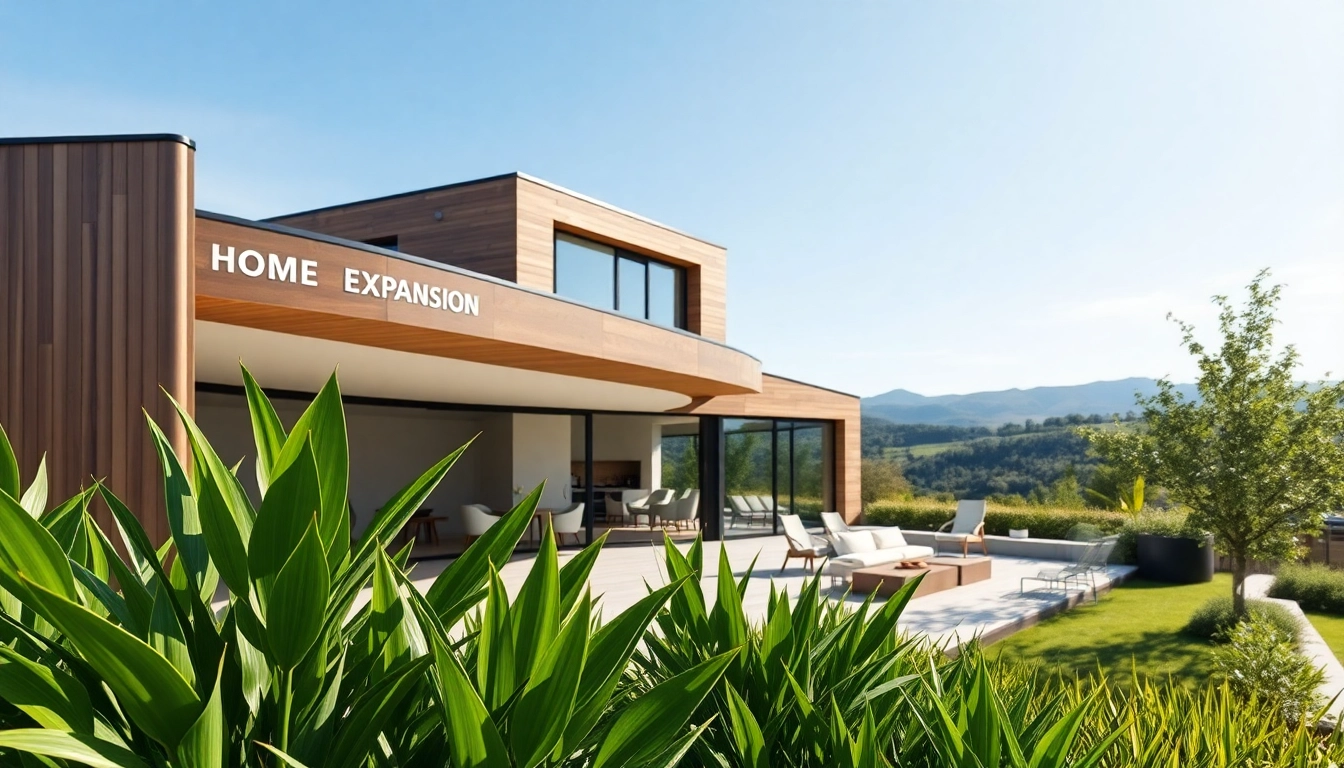
Contemporary architecture reflects current trends and technologies, emphasizing functionality and aesthetics. It often includes innovative designs, eco-friendly materials, and versatile spaces that adapt to users’ changing needs. The style is defined by its minimalism, open spaces, and a strong connection with nature, often blurring the lines between indoor and outdoor areas.
Key Features of Home Expansion
Home expansion can take various forms, including adding new rooms, extending existing spaces, or creating multi-functional areas. Key features of a contemporary home expansion include:
- Open Floor Plans: These designs facilitate movement and flexibility, allowing for various configurations of furniture and space usage.
- Large Windows: Maximizing natural light not only enhances the aesthetic appeal but also improves energy efficiency.
- Innovative Use of Materials: Using sustainable materials like reclaimed wood or recycled steel supports eco-friendly practices while ensuring durable structures.
Benefits of Expanding Your Home
There are numerous benefits to expanding your home. First, increased space can enhance your quality of life by accommodating growing families or providing room for hobbies and activities. Additionally, a well-planned expansion can significantly increase property value, offering a return on investment should you decide to sell in the future. Finally, home expansions can facilitate better energy efficiency, especially when designed with modern technologies and materials.
Design Elements in Contemporary Home Expansion
Utilizing Natural Light Effectively
Natural light is a hallmark of contemporary design and plays a critical role in creating inviting, pleasant spaces. Large windows, skylights, and open layouts can help harness sunlight effectively. When planning your expansion, consider the placement and size of windows, aiming to maximize light exposure during the day while minimizing heat loss during the night.
Choosing Materials for Modern Aesthetics
The choice of materials can dramatically affect the aesthetics and functionality of your home expansion. Modern materials such as glass, steel, and sustainable timber lend a sleek, updated look. Understanding the characteristics and durability of these materials is crucial, as they should not only fit the design vision but also meet environmental sustainability criteria.
Balancing Indoor and Outdoor Spaces
A contemporary home expansion should create a seamless transition between indoor and outdoor environments. This can be achieved through features like sliding glass doors, expansive patios, and integrated landscaping. Finding this balance not only enhances the functionality of the space but also contributes to a holistic living experience that promotes well-being and relaxation.
Planning Your Contemporary Home Expansion
Assessing Available Space and Zoning Laws
Before diving into the design and construction phases, it is essential to assess available space and understand local zoning laws. Begin with an analysis of your property boundaries, potential setbacks, and height restrictions. This information will guide the feasibility of your expansion project, ensuring that it complies with legal regulations and neighborhood aesthetics.
Setting a Realistic Budget
A successful expansion project hinges on careful budgeting. Consider all aspects of the project, including design fees, construction costs, and contingency funds for unexpected expenses. Having a clear financial plan will help you make informed decisions throughout the process. Always leave room in your budget for quality materials and skilled labor, as these can significantly impact your project’s longevity and performance.
Working with Architects and Designers
Collaboration with experienced architects and designers can bring your vision to life. They can provide insights into the latest trends, help optimize space, and ensure structural integrity. Clear communication about your needs, style preferences, and budget will facilitate smoother collaboration, resulting in a design that is both functional and aesthetically pleasing.
Implementing Your Contemporary Home Expansion
Choosing the Right Contractors
Solid execution of your design requires hiring the right contractors. Look for professionals who have experience with contemporary home expansions and a strong portfolio of past work. Request references and conduct thorough interviews to assess their reliability and quality standards. A good contractor will communicate effectively, staying within the agreed-upon timeline and budget while minimizing disruptions to your daily life.
Timeline for Completion
A clear timeline is essential for managing expectations during a construction project. The timeline should include design phases, obtaining permits, and construction milestones. Regular check-ins and updates with your contractor will help ensure that the project stays on track, addressing any delays promptly and effectively.
Overcoming Common Challenges
Home expansion projects often come with challenges, such as unexpected structural issues, delays in permit approval, or budget overruns. Proactive planning and flexibility can help navigate these obstacles. Keep an open dialogue with your contractor regarding potential issues and solutions as they arise, enabling a collaborative approach to problem-solving.
Ensuring Sustainable Practices
Incorporating Eco-Friendly Materials
Sustainability should be a key consideration in any home expansion project. By incorporating eco-friendly materials, such as bamboo flooring, recycled glass tiles, and low-VOC paints, you can create a healthy living environment and reduce your carbon footprint. Research suppliers that prioritize sustainability to ensure that your materials have a positive environmental impact.
Energy Efficiency in Home Design
Energy efficiency can be greatly enhanced in a contemporary home expansion by utilizing high-performance insulation, energy-efficient windows, and smart home technologies. Incorporating renewable energy sources, like solar panels, can further reduce energy costs and reliance on traditional power sources, creating a sustainable living environment.
Maintenance Tips for Longevity
To ensure the longevity of your home expansion, establish a regular maintenance schedule. This includes inspecting roofing and walls, cleaning gutters, and evaluating energy systems. Proper upkeep extends the life of your investment and preserves the beauty of your contemporary design. Stay proactive about repairs and consider seasonal checks to address issues before they escalate.
Frequently Asked Questions
What is a contemporary home expansion?
A contemporary home expansion is an architectural project that enhances or increases the living space of a home while adhering to modern design principles, incorporating functionality, aesthetics, and sustainability.
How do I determine if my home is suitable for expansion?
Assess your lot size, zoning regulations, and the structural integrity of your home. Consulting a qualified architect can provide insights into the feasibility of an expansion project.
What are the average costs associated with home expansion?
The cost can vary widely based on the size and complexity of the project. Typically, a budget should encompass design fees, materials, labor, and unexpected expenses, averaging between $100 to $300 per square foot.
How can I ensure energy efficiency in my home expansion?
Incorporate high-performance insulation, energy-efficient windows, and appliances. Consider renewable energy options, like solar panels, to enhance energy efficiency within your expanded space.
What materials should I consider for a modern aesthetic?
Popular materials include sustainable woods, recycled metals, glass, and concrete. Each offers unique aesthetic benefits while promoting durability and style within a contemporary design.