
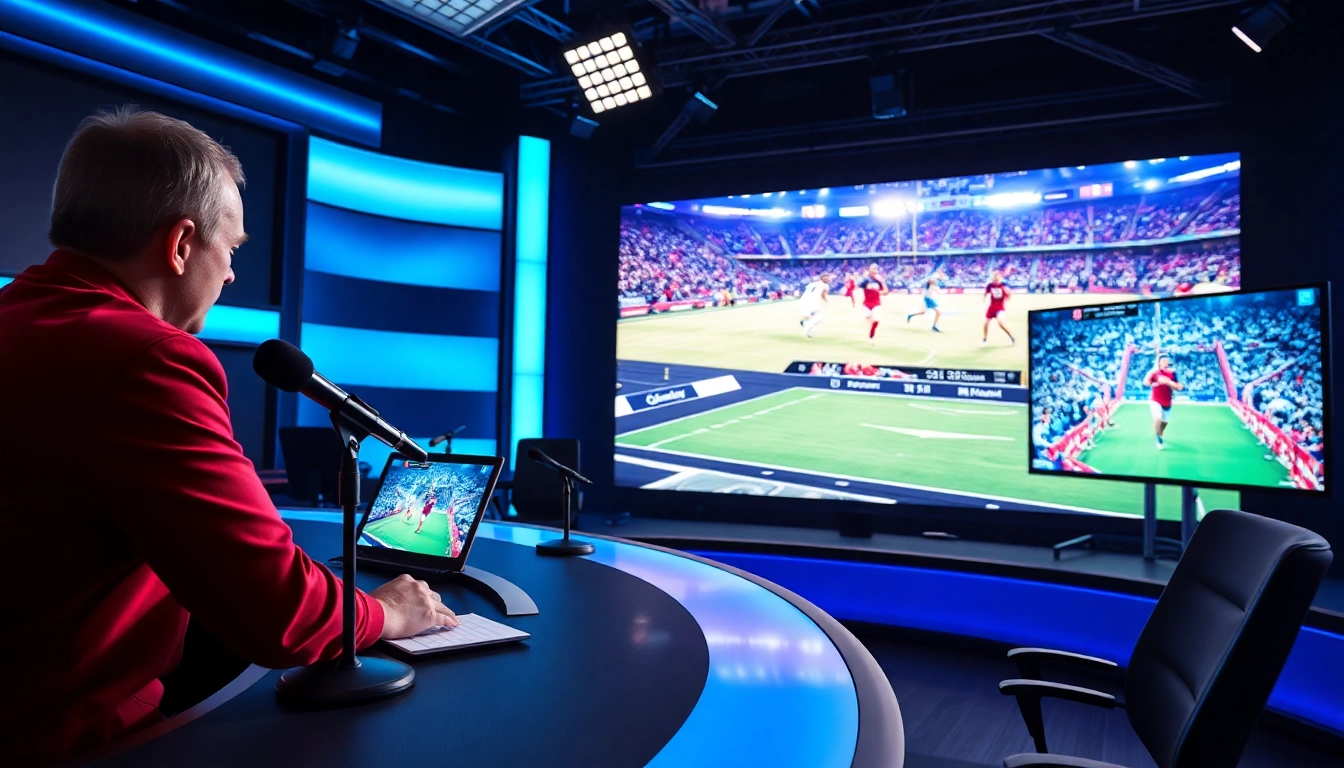
Understanding the Basics of Sports Broadcasting
What is Sports Broadcasting?
Sports broadcasting is the dissemination of sports-related content via various media channels. This includes television, radio, and digital platforms that allow audiences to engage with live sports events, highlights, interviews, and analysis. The primary goal of sports broadcasting is to inform and entertain fans while providing a platform for athletes and teams to connect with their supporters. A comprehensive understanding of this field is crucial for anyone looking to excel in or appreciate the world of Sports Broadcasting.
The Importance of Live Coverage
Live coverage provides a unique thrill to sports fans, allowing them to experience the action as it unfolds. It bridges the gap between spectators and events, creating a sense of participation and community among viewers. Moreover, live broadcasting generates high engagement rates, as fans often interact through social media or online forums, adding to the electric atmosphere surrounding sporting events. Hence, understanding the dynamics of live coverage is essential for broadcasters aiming to captivate their audience.
Key Roles in Sports Broadcasting
Sports broadcasting encompasses multiple roles, each contributing to the overall experience. Key positions include:
- Commentators: Provide real-time insights, anecdotes, and play-by-play analysis.
- Producers: Oversee the production team, scheduling, and content planning.
- Cameramen: Capture essential visuals, ensuring the audience doesn’t miss pivotal moments.
- Audio Engineers: Maintain and enhance sound quality, including commentary and ambient crowd noise.
- Social Media Managers: Engage audiences on digital platforms, fostering community interaction.
Essential Equipment for Sports Broadcasting
Cameras and Lighting Techniques
High-quality cameras are the backbone of any sports broadcast. The choice of equipment varies based on the broadcasting platform and specific requirements of the event. For live coverage, multi-camera setups often provide diverse angles and enhance viewer experience. Furthermore, proper lighting is vital, especially for indoor sports where ambient lighting may be insufficient. Techniques such as spotlighting key players or using soft lights for crowd shots help maintain visual clarity and energy.
Microphones and Audio Quality
Audio is as crucial as visuals in sports broadcasting. Quality microphones capture clear commentary while minimizing background noise. Different types of microphones serve various functions; handheld mics are practical for interviews, while lapel mics allow for improved mobility. Moreover, a sound engineer’s expertise in mixing and balancing audio during a live event significantly impacts viewer experience. The key is to achieve a harmonious blend of commentary, game sounds, and fan reactions.
Software and Streaming Tools
Today’s digital landscape necessitates the use of advanced software and streaming solutions to deliver high-quality broadcasts. Tools like video editing software, live streaming platforms, and data analytics applications play a significant role in enhancing broadcast quality and viewer engagement. By leveraging these tools, broadcasters can ensure stream reliability and interactivity among viewers, thereby increasing overall satisfaction.
Techniques for Engaging Sports Broadcasting
Effective Communication Skills
Effective communication is the cornerstone of successful broadcasting. Commentators must articulate thoughts clearly and succinctly, adapting their style based on the audience’s knowledge level. Using varied intonations and body language, particularly for on-field interviews, can greatly enhance viewer engagement. Moreover, maintaining a conversational tone makes content more relatable and enjoyable for audiences.
Building a Narrative Around Events
Every sports event has its story, and good broadcasters weave narratives that resonate with viewers. This might involve highlighting player backgrounds, team rivalries, or historical context related to the event. By constructing a compelling narrative, broadcasters can create emotional connections that keep audiences invested in the outcome.
Utilizing Social Media for Engagement
Social media is a powerful tool for broadcasters to engage with audiences. Platforms such as Twitter, Instagram, and Facebook allow real-time interaction, where viewers can share opinions, photos, and videos during a match. This not only builds community but also enhances viewer experience by merging traditional broadcasting with modern technology.
Challenges in Sports Broadcasting
Handling Technical Difficulties
Technical glitches can disrupt broadcasts, affecting audience engagement. Professionals in the broadcasting field must be prepared for these challenges with contingency plans, such as backup equipment and clear communication channels. Quick thinking and adaptability are essential to navigate unforeseen issues without significantly impacting the viewer experience.
Engaging Viewers During Downtime
Downtime occurs frequently in sports events, whether due to halftime breaks, injuries, or delays. Broadcasters need to keep viewers engaged during these periods. Options include engaging commentary discussions, on-screen statistics analysis, or even interactive viewer polls. Creative programming can capture audience interest while keeping them connected to the event.
Maintaining Professionalism Under Pressure
In high-stress environments, such as live broadcasts, maintaining professionalism is essential. Broadcasters should train to remain composed despite challenges and should develop techniques to manage anxiety. This professionalism not only reflects personal character but also assures viewers of the broadcast’s credibility and reliability.
Measuring Success in Sports Broadcasting
Viewer Metrics and Engagement Rates
Success in sports broadcasting can be quantified through various metrics. These include viewer ratings, social media engagement, and audience feedback. Tools such as Nielsen ratings help broadcasters understand their audience demographics, while social media analytics can provide insights into viewer engagement levels. Understanding these metrics enables improvements in upcoming broadcasts.
Feedback and Improvement Strategies
Constant improvement is paramount in sports broadcasting. Gathering feedback through post-event surveys, viewer commentary, and team evaluations can highlight areas for growth. Implementing this feedback into future broadcasts creates a continuous cycle of enhancement and innovation, fostering greater viewer loyalty.
Setting Goals for Future Broadcasts
Setting clear objectives is crucial for success. Broadcasters should create SMART (Specific, Measurable, Achievable, Relevant, Time-bound) goals that align with viewer expectations and industry standards. These objectives may revolve around increasing viewership numbers, improving audience engagement, or refining technical aspects of broadcasts. Regularly reevaluating these goals ensures continuous progress.
FAQs About Sports Broadcasting
What are the main types of sports broadcasting?
Sports broadcasting primarily includes television, radio, and online streaming services. Each format delivers unique viewer experiences and engagement opportunities.
How do commentators prepare for a live sports event?
Commentators research teams, players, statistics, and historical context to provide insightful commentary. Practice sessions also help them refine their delivery.
What role does social media play in sports broadcasting?
Social media enhances audience interaction and provides real-time updates, enabling broadcasters to connect with viewers beyond traditional formats.
How can technical difficulties affect sports broadcasts?
Technical issues can disrupt streaming quality and viewer experience. Having contingency plans helps mitigate these challenges and maintains professionalism.
What are important metrics for measuring broadcast success?
Important metrics include viewer ratings, engagement rates on social media, and feedback from viewers, which guide improvements in future broadcasts.