
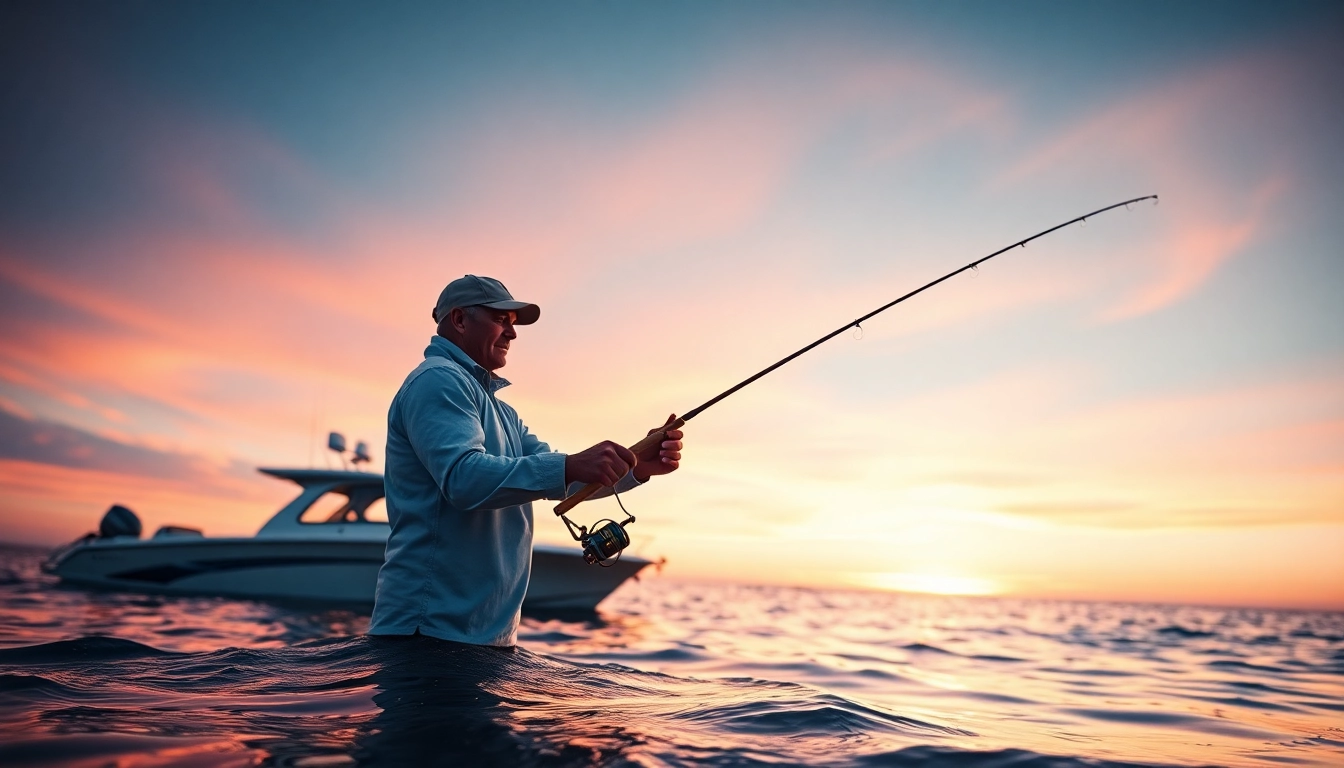
1. Introduction to Saltwater Fly Fishing
1.1 What is Saltwater Fly Fishing?
Saltwater fly fishing is a specialized method of angling using a lightweight rod and line to catch fish in the ocean and other saltwater environments. Unlike traditional fishing methods, which often involve heavier tackle, saltwater fly fishing focuses on presenting artificial flies that mimic aquatic organisms and baitfish—the strategy relies heavily on casting techniques and an understanding of saltwater ecosystems. Whether you’re targeting the shallow flats of a tropical paradise or the turbulent waters of an ocean inlet, saltwater fly fishing offers an exhilarating challenge to anglers.
1.2 Benefits of Saltwater Fly Fishing
The act of pursuing fish in saltwater via fly fishing comes with several advantages that appeal to both novice and seasoned anglers. First and foremost, fly fishing promotes an intimate connection to nature: the delicate balance of casting, observation, and presentation enhances the fishing experience beyond that of simply catching a fish. Additionally, the variety of species available in saltwater environments—from bonefish to tarpon—provides ample opportunity for adrenaline-packed encounters. The flexibility in locations, techniques, and gear makes it a dynamic pursuit that can cater to many personal styles and preferences.
1.3 Key Species Targeted in Saltwater Environments
Saltwater environments host a diverse array of fish species that fly anglers commonly target. Some of the most sought-after include:
- Bonefish: Often considered the “ghosts of the flats,” bonefish are known for their speed and agility.
- Permit: Renowned for their challenging nature, catching a permit is a rite of passage for many fly fishers.
- Tarpon: With their acrobatic leaps and powerful runs, tarpon provide thrilling encounters for anglers.
- Striped Bass: Popular on the East Coast, striped bass offer exciting battles and can be found in various coastal waters.
2. Essential Gear for Saltwater Fly Fishing
2.1 Choosing the Right Fly Rod and Reel
The foundation of a successful saltwater fly fishing setup begins with selecting the appropriate fly rod and reel. For most saltwater fly fishing scenarios, anglers often choose rods ranging from 8 to 12 weights, depending on the species targeted and the fishing conditions. A lighter rod might be suitable for small bait fish, while a heavier rod benefits those engaging larger species such as tarpon.
The reel must be equally robust: it should have a strong drag system capable of withstanding the powerful runs of saltwater fish. Look for reels made from corrosion-resistant materials, as saltwater can cause rapid wear and tear on equipment. Consider reel size, which typically corresponds to the rod weight you’re using, and ensure that it balances well to promote ease of use during long fishing sessions.
2.2 Best Fly Lines for Saltwater Conditions
Choosing the right fly line is crucial for effective saltwater fly fishing. Lines vary greatly in design, material, and taper, tailored for different situations. Generally, a floating line is suitable for targeting fish near the surface, while a sinking line works wonders for deeper presentations. Intermediate lines can prove versatile for those fishing at various depths.
When selecting a saltwater fly line, consider the core material: braided lines typically offer superior strength and durability compared to monofilament lines, which might stretch under pressure. Look for lines specifically designed for saltwater as they contain coatings to resist salt and UV degradation.
2.3 Recommended Flies for Different Species
The success of a fishing trip often hinges on the selection of flies. Different species require specific patterns to entice them adequately. For example:
- Bonefish: Lively shrimp and crab imitations often work best.
- Permit: Use small crabs and shrimps, as well as surface patterns like flatwing flies.
- Tarpon: Large baitfish imitations and flashy streamers can provoke strikes from tarpon.
- Striped Bass: Clouser minnows and other baitfish patterns are popular choices when targeting these catchable fish.
Invest in a diverse selection of flies to prepare for varying conditions and species available in your target area.
3. Techniques for Successful Saltwater Fly Fishing
3.1 Casting Techniques for Windy Conditions
Wind is a common variable in saltwater fishing that can complicate casting. To improve casting accuracy under windy conditions, anglers must master techniques such as the double-haul. This involves using both hands to create additional line speed, allowing for effective casting even against a headwind. Additionally, keep the cast low to the water to minimize wind resistance, and practice adjusting the angle of your cast based on wind direction.
3.2 Retrieve Methods for Attracting Fish
Retrieval techniques are essential for attracting fish after the cast is made. Various retrieves can be employed based on the species and conditions. For instance, a quick strip can imitate an escaping baitfish, while a slow, steady retrieve may mimic a wounded fish near the surface. Experiment with different speeds and patterns to find what triggers bites in your specific fishing environment.
3.3 Tactics for Reading the Water
Reading the water is a critical skill for saltwater fly fishermen. Observing the movement of the water and identifying structure can dramatically increase catch rates. Look for signs of fish activity such as surface disturbances, birds diving, or baitfish jumping. Color changes and water clarity can also offer clues about fish locations. Pay attention to tides, as strong currents and changes in water levels can influence fish behavior.
4. Top Locations for Saltwater Fly Fishing
4.1 Popular Destinations Around the World
Several destinations worldwide are renowned for their exceptional saltwater fly fishing opportunities. Some ideal locations include:
- The Florida Keys: Offers a plethora of species within its shallow flats, pristine waters, and diverse ecosystems.
- Belize: Known for its stunning flats and abundant bonefish, permit, and tarpon.
- Bahamas: The extensive, clear flats provide unique opportunities for sight-casting a variety of species.
- Mexico’s Yucatan Peninsula: Home to world-class fishing with opportunities for elusive permit and tarpon.
4.2 Hidden Gems for Anglers
Beyond the well-known fishing hotspots, many hidden gems offer incredible opportunities for the saltwater fly angler. Places such as the Seychelles, with its crystal-clear waters and unspoiled flats, or the remote areas of the Australian Great Barrier Reef, provide exceptional fishing away from the crowds. Lesser-known locations in Central America, up-and-coming areas in Asia, and even parts of South Africa are worth exploring for unique fishing experiences.
4.3 Factors Influencing Location Choice
Several factors can influence an angler’s choice of saltwater fly fishing locations, including species targeted, fishing seasons, accessibility, and local regulations. Understanding migratory patterns and local fishing laws is vital to ensuring both successful trips and sustainable practices. Environmental conditions should also be considered: weather, tides, and seasonal changes can greatly affect fish behavior and availability.
5. Enhancing Your Saltwater Fly Fishing Experience
5.1 Best Practices for Conservation
As saltwater fly fishing increases in popularity, practicing ethical and sustainable fishing is more crucial than ever. Catch and release is a fundamental practice aimed at preserving fish populations and ecosystems. Use barbless hooks to minimize harm, and ensure that fish are handled with wet hands to reduce stress. Familiarize yourself with local regulations to ensure compliance and protect local habitats.
5.2 Tips for Staying Safe on the Water
Safety should always be a priority when fly fishing in saltwater environments. Wear a life jacket, remain aware of changing weather conditions, and always inform someone of your fishing location and estimated return time. Proper sun protection is paramount: use sunscreen, protective clothing, and sunglasses to shield yourself from harsh UV rays. Staying hydrated and being prepared for emergencies with a well-stocked first-aid kit are also critical components of a safe fishing trip.
5.3 Community Resources for Fly Fishing Enthusiasts
Engaging with the fly fishing community can significantly enhance your skills and network. Online forums, local clubs, and social media groups dedicated to fly fishing are invaluable resources for sharing knowledge, trip planning, and advice on gear and techniques. Participating in fishing workshops, attending expos, and connecting with local guides can lead to exciting opportunities and deeper insights into the art of saltwater fly fishing. By immersing yourself in the community, you not only enhance your experience but also contribute to a culture of shared knowledge and conservation Saltwater fly fishing.
